 WhatsApp: +86 16626708626
 Email:
  Phone: +86 16626708626
Description
3. Key Technical Specifications
| Parameter | Value |
| System Compatibility | Mark IV Speedtronic Turbine Control |
| Board Function | Frequency / Speed Processing |
| Input Type | Pulse signals from Magnetic Pickups (MPUs) |
| Revision Suffix | G1D1C (Indicates specific hardware/firmware grouping) |
| Connectors | Edge-card gold finger connectors |
| Test Points | Multiple on-board TP for frequency verification |
| Processing | Real-time conversion of Hz to RPM data |
| Safety Features | Integrated logic for overspeed detection |
4. Product Introduction & Supply Chain Strategy
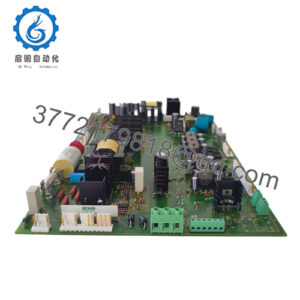
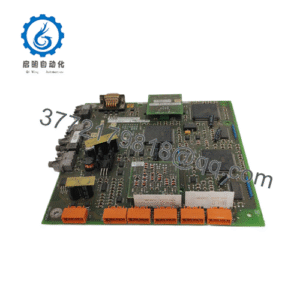
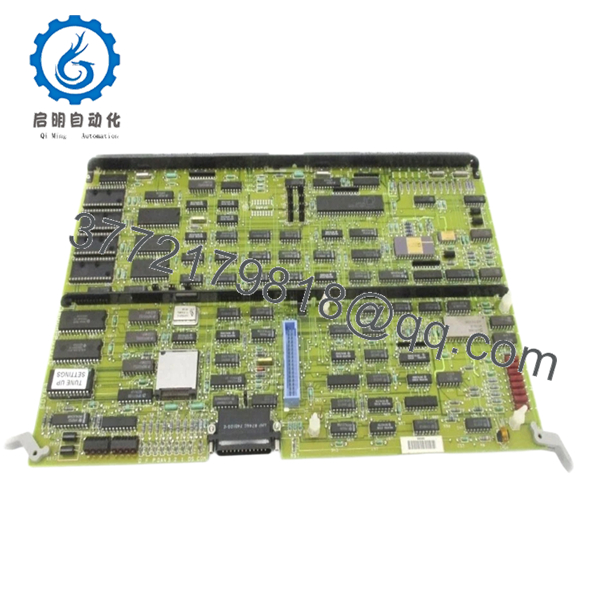
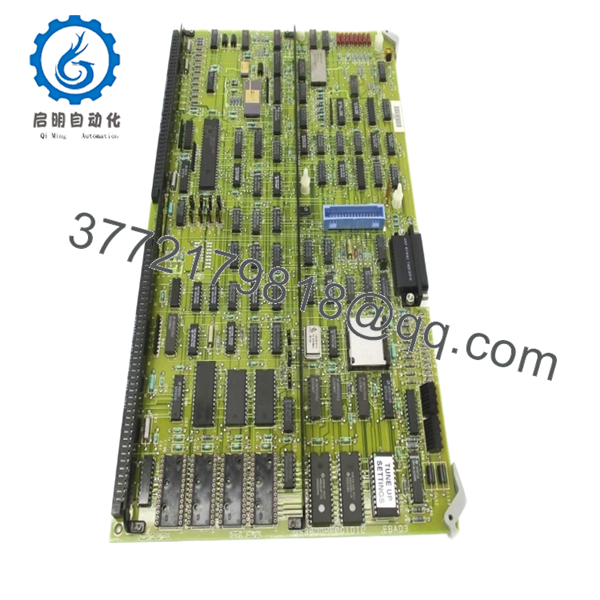
The GE DS3800HFPG1D1C is a specialized Frequency Processor Board utilized in legacy Mark IV Speedtronic systems. Its primary role is to interpret the high-frequency pulses generated by magnetic pickups on the turbine shaft, converting them into precise RPM data used for fuel governing and safety logic. Because speed sensing is the “heartbeat” of turbine control, any signal drift on this board can cause erratic governing or nuisance trips.
Strategically, the DS3800HFPG1D1C should be treated as an insurance-level spare. As the Mark IV series moves deeper into obsolescence, finding “New Surplus” frequency boards becomes increasingly difficult. Opting for a New Surplus unit over a refurbished one is critical here; frequency boards rely on high-precision timing circuits that can degrade with age and heat. A factory-fresh board ensures the signal integrity remains within OEM tolerances, protecting the turbine from the catastrophic risks of overspeed or failed synchronization.
5. Installation & Configuration Guide
Stage 1: Pre-Installation (Prep & Safety)
Verify the turbine is at a complete standstill and the control system is powered down. Use a grounded ESD wrist strap, as the HFPG board contains sensitive CMOS components. Document all jumper positions (J1, J2, etc.) on the old board, as these define the frequency scaling and signal gain for your specific turbine model.
Stage 2: Removal
Unlock the card cage retention hardware. Firmly grip the edges of the DS3800HFPG1D1C and pull it straight out of the slot. Avoid touching the gold-plated edge connectors to prevent oil contamination from skin, which can cause intermittent signal loss.
Stage 3: Installation (Clone & Seat)
Mirror the jumper configurations from the old board to the new DS3800HFPG1D1C. Inspect the edge connectors for any debris. Slide the board into the designated slot until you feel it seat firmly into the backplane. Secure the retention screws to prevent vibration-induced loosening.
Stage 4: Power-On & Testing
Power up the Mark IV rack and check for “Board Healthy” status indicators. During the turbine start-up sequence, monitor the RPM feedback on the operator interface to ensure the frequency readings are stable and match the expected cranking speed. Verify that the pulse signal amplitude is within the 10-15 V peak-to-peak range at the test points.

- DS3800HFPG1D1C
- DS3800HFPG1D1C
6. Firmware/Software Versions & Upgrade Notes
- Revision Matching: The ‘G1D1C’ suffix is critical. Ensure this matches your existing board, as different revisions may have different jumper mappings or timing constants.
- Jumper Configuration: This board is “hard-coded” via physical jumpers rather than software. Accuracy in cloning these jumpers is the most important step in the replacement process.
- Signal Interference: Ensure that the shield for the magnetic pickup cable is properly grounded at the board end to prevent EMI from injecting noise into the frequency processing circuit.
7. Frequently Asked Questions (FAQ)
How do I know if my HFPG board is failing?
Common symptoms include erratic speed fluctuations on the HMI, “Speed Signal Loss” alarms, or the inability to synchronize the generator due to unstable frequency feedback.
Can I use a ‘G1’ board to replace a ‘G1D1C’ board?
While they belong to the same family, the ‘D1C’ suffix indicates later hardware improvements. It is always safest to match the full part number to ensure the timing circuits behave exactly as the control logic expects.
Are these boards tested before shipping?
Yes. Every New Surplus DS3800HFPG1D1C undergoes a power-on handshake and signal verification test to ensure the frequency processing logic is fully functional.
Why is New Surplus better than a repaired board for speed sensing?
Repaired boards often have “patchwork” fixes. In a frequency circuit, even a slight change in capacitance from a generic replacement part can alter the timing constants. New Surplus parts use original OEM components that maintain the intended calibration.
Does this board handle overspeed protection?
The HFPG board provides the data used by the Mark IV to trigger an overspeed trip. It is a critical link in the safety chain, which is why component reliability is non-negotiable.