 WhatsApp: +86 16626708626
 Email:
  Phone: +86 16626708626
Description
3. Key Technical Specifications
| Parameter | Value |
|---|---|
| Product Model | DS3800HSCA |
| Manufacturer | GE |
| Platform | Speedtronic Mark IV |
| Product Type | High-Speed Control Board |
| Primary Application | Gas and Steam Turbine Control |
| Mounting Method | Backplane / Rack Mounted |
| PCB Construction | Multi-layer industrial-grade PCB |
| Signal Function | High-speed signal coordination |
| Power Source | System backplane supplied |
| Operating Environment | Industrial turbine control cabinets |
| QC Verification | Functional power-on and communication tested |
| Packaging | ESD-safe anti-static packaging |
| Lifecycle Status | Obsolete / Limited Global Availability |
| Typical Deployment | Legacy GE turbine control systems |
Industry references identify the DS3800HSCA as part of the GE Mark IV turbine control board family used in legacy Speedtronic systems. (worldofcontrols.com)
4. Product Introduction & Supply Chain Strategy
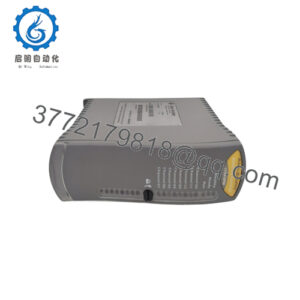
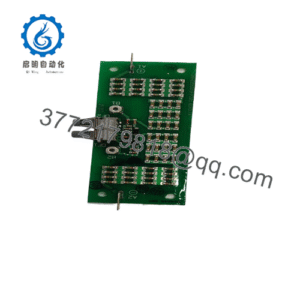
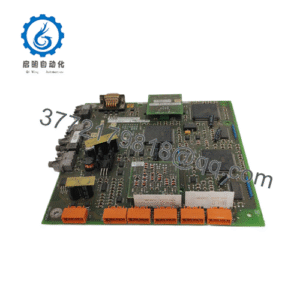
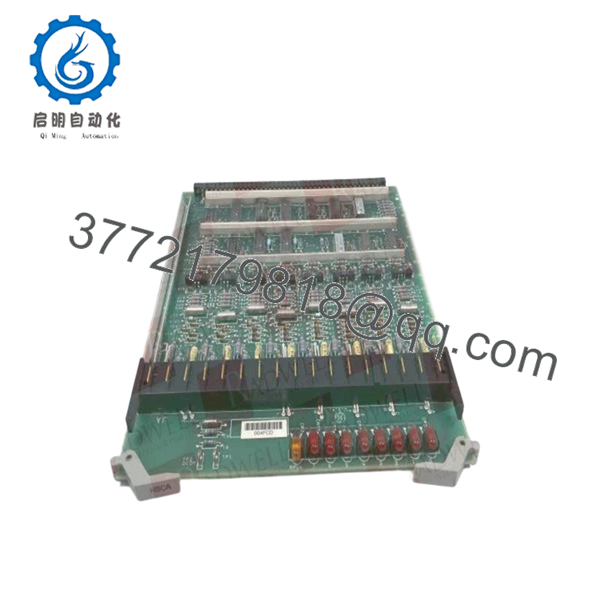
The GE DS3800HSCA is a high-speed control board used within Mark IV Speedtronic turbine systems for rapid signal handling, coordinated control processing, and stable operation of industrial turbine equipment.
Maintaining New Surplus inventory reduces exposure to emergency downtime and obsolete part shortages. Refurbished boards frequently contain aged capacitors and undocumented repairs that increase operational risk. Strategic buffer stock lowers Total Cost of Ownership (TCO) by reducing stock-out incidents, stabilizing maintenance schedules, and controlling lead time variability. (worldofcontrols.com)
5. Installation & Configuration Guide
Stage 1: Pre-Installation (Prep & Safety)
- Apply lock-out/tag-out procedures before opening the control cabinet.
- Wear a grounded ESD wrist strap during handling activities.
- Photograph all DIP switch settings, jumper positions, and terminal wiring before removal.
- Record firmware versions and rack slot locations.
- Verify stable 24 V DC supply voltage with a minimum 20% safety margin.
Stage 2: Removal
- Fully isolate cabinet power before touching the module.
- Release retaining clips carefully to prevent PCB flex damage.
- Pull the board evenly from the backplane connector.
- Inspect connector pins for oxidation, carbon tracking, or bent contacts.
Stage 3: Installation (Clone & Seat)
- Replicate all DIP switch and jumper settings exactly from the original board.
- Align the PCB with the rack guide rails before insertion.
- Seat the module firmly into the backplane connector using even pressure.
- Secure mounting hardware without over-tightening.
Stage 4: Power-On & Testing
- Check 24 V rails for shorts before applying power.
- Energize the rack and monitor RUN and ERR LEDs.
- Verify communication handshake with the Mark IV processor environment.
- Confirm alarm-free operation and stable scan response.
- Monitor turbine startup sequencing for abnormal control delays.
6. Firmware/Software Versions & Upgrade Notes
- The replacement board should match the installed Mark IV firmware architecture whenever possible.
- Always document the existing firmware revision before hardware replacement.
- Firmware mismatches can trigger communication faults, watchdog alarms, or protocol timeout conditions.
- Older GE workstation software may require driver updates to recognize newer firmware revisions.
- Avoid unnecessary firmware upgrades during emergency maintenance situations.
- Downgrading firmware without EEPROM compatibility validation may corrupt stored operating parameters.
- Archive all configuration data, node addressing, and DIP switch settings before commissioning.

- DS3800HSCA
7. Frequently Asked Questions (FAQ)
Q1: Is this module truly new and not refurbished?
Yes. This product is a Brand New Surplus unit. It is not used, not pulled from a decommissioned plant, and not refurbished. All modules undergo serial verification, visual inspection, and functional QC testing before shipment.
Q2: Why does New Surplus inventory cost more than refurbished boards?
Refurbished boards often contain degraded capacitors, repaired traces, or undocumented component substitutions. Lower upfront pricing can lead to substantially higher downtime costs later. New Surplus inventory provides longer expected service life and lower operational risk.
Q3: Why should plants stock DS3800HSCA modules proactively?
The DS3800HSCA belongs to the legacy Mark IV platform with shrinking worldwide inventory availability. Waiting until a failure occurs often results in emergency sourcing premiums and extended lead times. Strategic buffer stock reduces stock-out incidents and supports stable maintenance planning.
Q4: Can the DS3800HSCA be hot-swapped?
No. Hot-swapping is not recommended unless the specific control architecture explicitly supports live replacement procedures. Removing the module under power can damage the backplane or trigger turbine shutdown conditions.
Q5: What are the hidden risks of refurbished turbine boards?
We recently observed a facility purchase a refurbished control board to reduce procurement cost. Several months later, degraded internal capacitors caused intermittent communication failures and an emergency turbine shutdown. The downtime losses exceeded the initial savings many times over.
Q6: Does replacing the board affect existing logic or programming?
Primary application logic normally resides within the system architecture. However, firmware compatibility, addressing parameters, DIP switch settings, and jumper configurations must match the original hardware exactly.
Q7: What warranty and traceability are included?
New Surplus inventory typically includes a 12 month warranty depending on project requirements and shipment region. Each module includes serial traceability, QC documentation, and ESD-safe packaging verification.