 WhatsApp: +86 16626708626
 Email:
  Phone: +86 16626708626
Description
3. Key Technical Specifications
- System Compatibility: GE EX2100 Excitation System / Mark VI Speedtronic
- Function: System and customer I/O interface board
- Power Supply: 24 V DC ±10%
- Digital Inputs: Up to 16 channels (24 V DC)
- Analog Outputs: Up to 8 channels (4–20 mA)
- Communication: Modbus TCP, DNP3, IEC 61850 (depending on system config)
- Ethernet Ports: Dual 10/100BASE-TX (redundant network)
- Isolation Voltage: Up to 2.5 kV AC channel isolation
- Operating Temperature: −40 to +70°C (industrial grade)
- Mounting Location: ERBP / ERRB backplane slots (simplex or redundant)
- Architecture: Supports simplex and triple-redundant configurations
- Hardware Design: Dual CPU + FPGA-based data handling

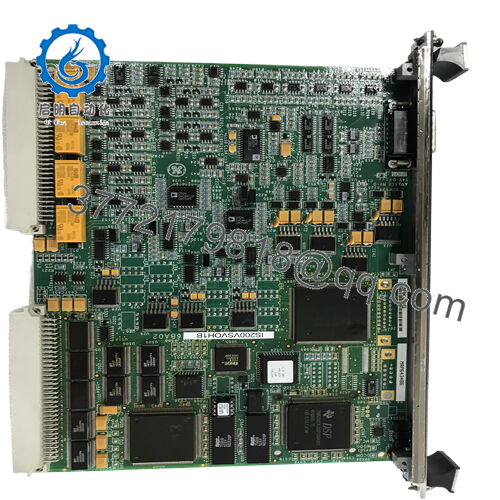
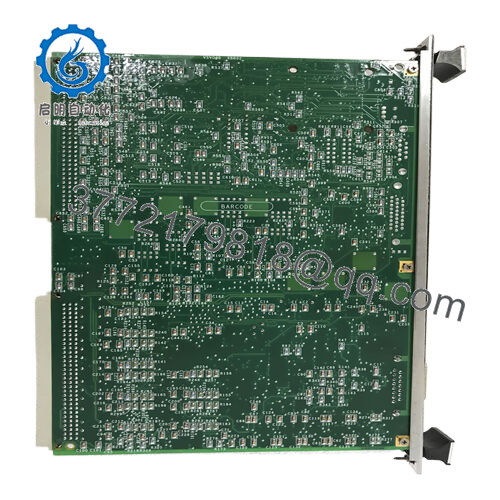
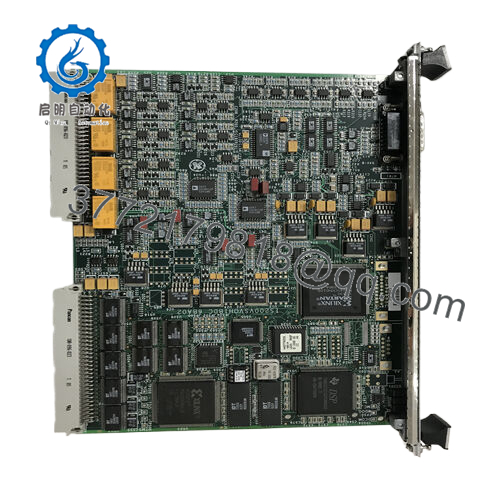
- IS200ERIOH1ACB
4. Product Introduction & Supply Chain Strategy
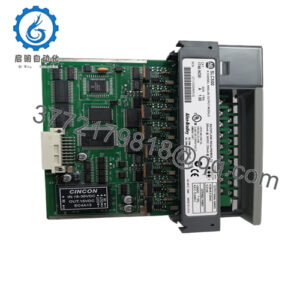
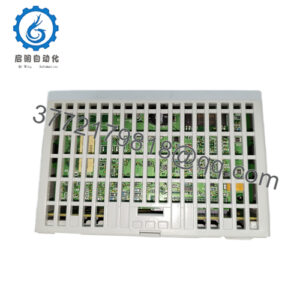
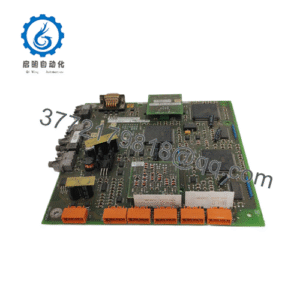
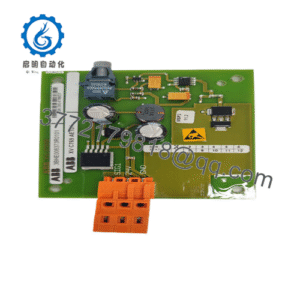
The GE IS200ERIOH1ACB is an exciter regulator I/O board used in EX2100 and Mark VI turbine control systems. It manages both system-level and field I/O signals, acting as the interface hub between excitation control logic and external instrumentation in gas and steam turbine applications.
From a supply-chain standpoint, this is a high-criticality, low-frequency spare. Given lifecycle maturity and declining OEM availability, maintaining buffer stock is essential to mitigate lead time variability. New Surplus procurement reduces Total Cost of Ownership (TCO) by avoiding failure risks tied to aged components commonly found in non-original inventory.
5. Installation & Configuration Guide
Stage 1: Pre-Installation (Prep & Safety)
- Apply lock-out/tag-out (LOTO) on excitation system
- Verify zero energy on control and field circuits
- Use ESD wrist strap; this is a static-sensitive PCB
- Photograph backplane slot position, wiring, and configuration
Stage 2: Removal
- Release retaining hardware from the board rack
- Extract evenly from P1/P2 connectors to avoid pin bending
- Inspect backplane connectors for oxidation or heat stress
Stage 3: Installation (Clone & Seat)
- Install board into identical slot (ERBP or ERRB location)
- Ensure firm engagement with backplane connectors
- Reconnect all field wiring exactly as documented
Stage 4: Power-On & Testing
- Verify 24 V DC rail stability before energizing
- Power system and observe LED indicators (Power / Status / Fault)
- Confirm communication with ToolboxST / SCADA
- Validate I/O signal mapping and alarm logic
6. Firmware/Software Versions & Upgrade Notes
- Recommended Practice: Match firmware to existing Mark VI / EX2100 system baseline
- Compatibility Risk: Revision differences may affect I/O mapping and redundancy logic
- Backward Compatibility: Earlier revisions partially compatible; verify before swap
- Upgrade Warning: Avoid firmware upgrades during replacement unless required—can introduce communication latency or logic mismatch
- Best Practice: Archive original configuration and firmware snapshot prior to removal
7. Frequently Asked Questions (FAQ)
Q1: Is this unit truly new or surplus stock?
Yes. This product is a Brand New Surplus unit. It is not used, not pulled from a decommissioned plant, and not refurbished. It retains original OEM integrity, including untouched connectors and no component degradation.
Q2: Why not choose a lower-cost alternative?
Lower-cost units often contain aged internal components. We have seen cases where a turbine excitation I/O board failed within months, causing forced outages. The cost of downtime exceeded the initial savings by more than 10×.
Q3: Is this part approaching obsolescence?
Yes. The Mark VI / EX2100 platform is in a late lifecycle phase. Implement a last-time-buy strategy and define Min/Max inventory levels to prevent stock-outs.
Q4: What stocking policy do you recommend?
- Critical asset: Maintain 1–2 units per plant as buffer stock
- Multi-site operations: Use cross-site sharing to reduce total inventory
- Slow-moving classification (A-critical): Avoid overstocking beyond risk coverage
Q5: Can this board be hot-swapped?
No. Always shut down and isolate power. Hot-swapping risks damaging both the board and the excitation control system.
Q6: Does the board store configuration locally?
Configuration is primarily system-managed, but always back up parameters. Firmware and configuration mismatches are a common source of commissioning delays.
Q7: What warranty and QC process are included?
Each unit includes 12months warranty and undergoes full QC: traceability verification, functional testing, communication checks, and insulation validation. Serial numbers and test reports are available for audit compliance.