 WhatsApp: +86 16626708626
 Email:
  Phone: +86 16626708626
Description
3. Key Technical Specifications
| Parameter | Value |
|---|---|
| System Compatibility | GE Mark VI / Mark VIe Speedtronic |
| Function | Servo valve control and LVDT feedback processing |
| Output Signal | ±10 V DC or ±40–80 mA current (configurable) |
| Channels | 1–4 servo channels (model-dependent) |
| Feedback Input | LVDT / RVDT position feedback |
| Resolution | 16-bit DAC/ADC (high precision control) |
| Communication | Mark VI backplane / IONET integration |
| Power Supply | +5 V DC, ±15 V DC (via rack backplane) |
| Operating Temperature | −20 to +70°C |
| Diagnostics | Coil fault detection, feedback monitoring |
| Protection Features | Overcurrent, short-circuit, thermal protection |
| Mounting | VME rack-mounted module |
4. Product Introduction & Supply Chain Strategy
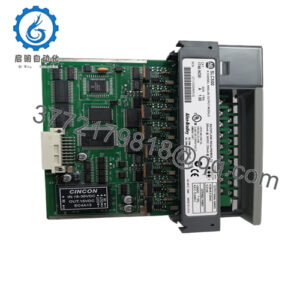
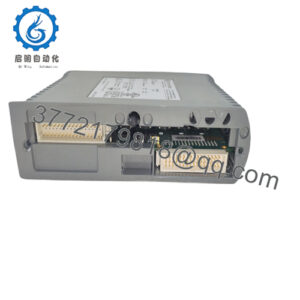
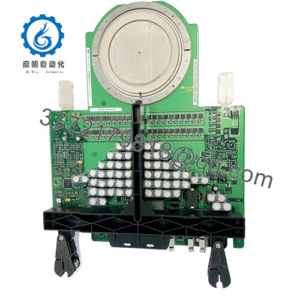
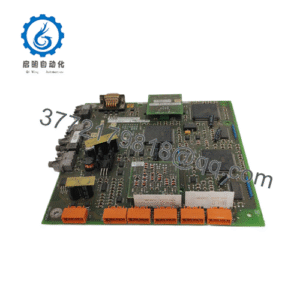
The GE IS200TSVCH1AJE (TSVCH) is a servo valve control module used in Mark VI turbine systems to convert control signals into precise actuator movement. It drives electro-hydraulic servo valves and processes LVDT feedback, enabling closed-loop control of fuel flow, IGV positioning, and steam valves.
From a supply-chain standpoint, this is a high-impact A-class spare. Failure directly affects turbine control stability. With OEM production discontinued and field demand ongoing, lead time variability is extreme. Securing New Surplus inventory reduces Total Cost of Ownership (TCO) by preventing forced outages and eliminating the reliability risks associated with aged secondary-market electronics.
5. Installation & Configuration Guide
Stage 1: Pre-Installation (Prep & Safety)
- Execute lock-out/tag-out (LOTO) on the turbine control cabinet.
- Discharge all control and hydraulic interface circuits.
- Wear ESD protection and verify grounding.
- Record servo calibration parameters (current range, LVDT scaling).
- Photograph terminal wiring and configuration settings.
Stage 2: Removal
- Disconnect terminal blocks for servo outputs and feedback signals.
- Release retaining hardware and extract the board evenly.
- Inspect backplane connectors and terminal pins for damage.
Stage 3: Installation (Clone & Seat)
- Install the module into the VME rack guides.
- Ensure full seating into the backplane connector.
- Reconnect servo wiring exactly as documented.
- Reapply identical configuration parameters.
Stage 4: Power-On & Testing
- Power up and monitor current draw stability.
- Check LED indicators (RUN active, no fault alarms).
- Validate servo output signals and LVDT feedback loops.
- Perform calibration check via ToolboxST or equivalent.
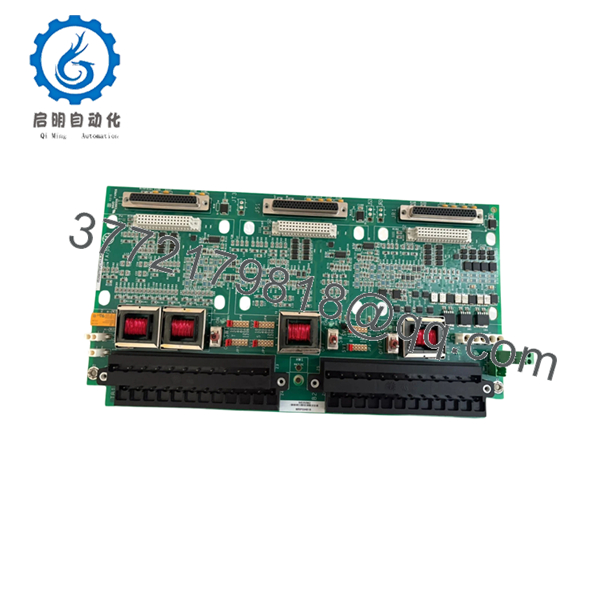

- IS200TSVCH1AJE (TSVCH)
6. Firmware/Software Versions & Upgrade Notes
- Recommended Practice: Maintain identical firmware environment across Mark VI racks.
- Compatibility Risk: Mismatched firmware can cause servo instability, oscillation, or control loop faults.
- Critical Warning: Avoid firmware upgrades during replacement unless system-wide validation is performed.
- Best Practice: Document existing configuration and calibration parameters before swap; restore exactly post-installation.
7. Frequently Asked Questions (FAQ)
Q1: Is this unit truly new or surplus stock?
This product is a Brand New Surplus unit. It is not used, not pulled from a decommissioned plant, and not refurbished. It maintains original OEM integrity with zero operational wear.
Q2: Why is this module priced higher than secondary-market options?
Servo control modules contain precision analog circuitry. Aging components in lower-cost alternatives can cause unstable valve control. A failure can lead to turbine trips, with downtime costs far exceeding the purchase price.
Q3: Is the IS200TSVCH1AJE obsolete?
Yes. It belongs to the Mark VI platform, which is no longer in production. Availability is tightening, making last-time-buy strategy critical.
Q4: Can this module be hot-swapped?
No. The Mark VI system requires full shutdown before replacement to avoid damage to control loops and servo actuators.
Q5: What happens if calibration is not restored correctly?
Incorrect calibration can cause actuator drift, unstable combustion, or load control issues. Always restore original parameters.
Q6: What warranty is provided?
Typically 12–24 months, aligned with expected long service life of New Surplus units.