 WhatsApp: +86 16626708626
 Email:
  Phone: +86 16626708626
Description
- Key Technical Specifications
- Module function: Relay output module for Mark VI / IS410 control racks.
- Relay configuration: Multi-relay outputs (SPDT or form-C contacts—confirm exact channel count on label).
- Contact ratings: Typical switching capacity up to 250 V AC / 30 V DC and up to 8 A resistive (verify OEM label for exact ratings).
- Coil drive voltage: 24 V DC nominal for relay coils (confirm tolerance and inrush current).
- Isolation: Coil-to-contact isolation per OEM spec (typical 3 kV AC dielectric, verify datasheet).
- Backplane interface: IS4xx slot connector, keyed for IS410 family racks.
- Response time: Mechanical relay operate/release times in ms (confirm exact ms values on datasheet).
- Operating temperature: Industrial range (confirm exact −40°C to +70°C rating on unit).
- Power consumption: Coil and logic consumption on module (confirm mA per relay under nominal supply).
- Mounting: Plug-in module for IS400/IS410 rack or DIN-slot variant depending on revision.
- Product Introduction
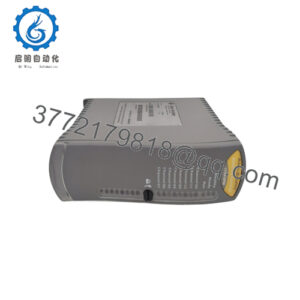
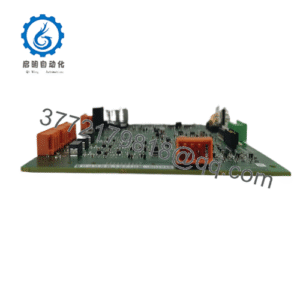
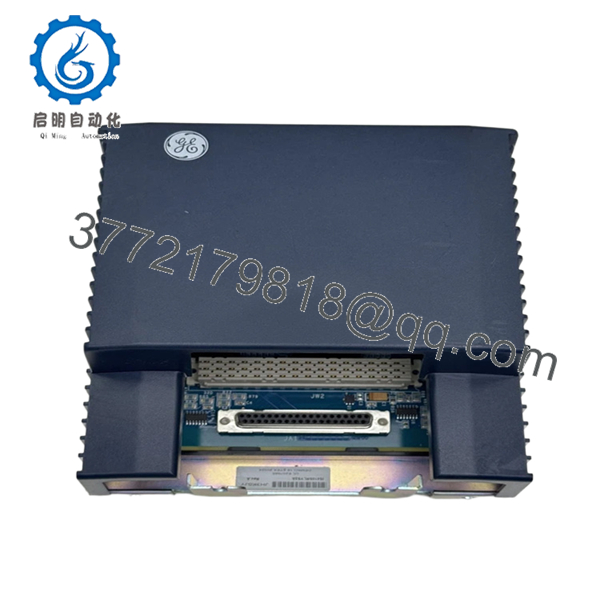
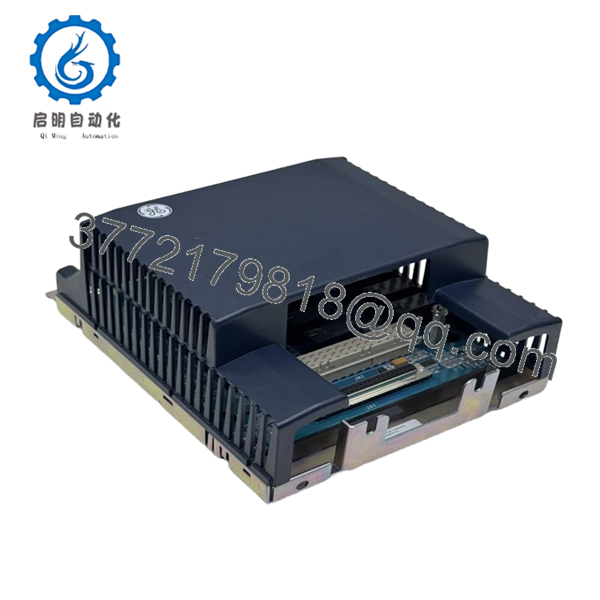
The GE IS410SRLYS2A is a relay-output module used in GE Mark VI / IS410 control systems to provide isolated, mechanically switched outputs for alarms, breakers, and discrete field devices. It’s intended where galvanic isolation or high-voltage switching is required—typical uses include trip circuits, annunciation, and interlock drives.
Order by exact P/N and revision and confirm contact ratings, coil voltage, and mechanical keying to prevent mismatches; photograph the existing module label and wiring before replacement. - Troubleshooting Quick Reference
Symptom Possible Cause Relevance to this Part Quick Check Method Recommendation No relay click when commanded 24 V coil supply missing or blown fuse ✅ High Measure 24 V DC at relay coil terminal while commanding (use multimeter). Check coil supply and fuses; if voltage present but relay not operate, replace module. Relay chatter when active Low coil voltage or noisy input command ✅ High Measure coil voltage during chatter; inspect command signal for noise or bounce with scope. Fix supply or debounce input; add RC snubber or replace module if relays are mechanically worn. Contacts fail to carry load Welded/burnt contacts or wrong rating ✅ High Inspect contact continuity and visual contact condition; measure load current with clamp meter. Replace module if contacts are damaged; use a higher-rated contactor/relay for inductive loads. One or more relays stuck closed Mechanical failure or welded contact ✅ High Manually actuate relay (with safe isolation) and measure contact continuity. Replace module; identify cause (overcurrent, inrush) and add protective devices. Controller shows module not present Backplane connection or addressing issue ✅ Medium Reseat module with power down; verify slot ID and connector pins for damage. If reseat fails, replace module and capture controller diagnostic codes.
Note: Mechanical relays wear over time—inspect contact condition and switching counts during preventive maintenance. Photograph terminal wiring and module label before removal and preserve controller logs if faults occur.

- IS410SRLYS2A
- IS410SRLYS2A
- Frequently Asked Questions (FAQ)
Q: Can I hot-swap the IS410SRLYS2A?
A: To be honest, treat this module as non-hot-swappable unless your rack documentation explicitly allows it; hot-swapping relay modules can cause backplane transients and may weld contacts or upset controller I/O mapping.
Q: How do I confirm this is the correct replacement module?
A: Match the full P/N and revision printed on the board, confirm coil voltage (24 V DC), contact ratings, and mechanical keying to your IS410/Mark VI rack before ordering.
Q: Will the relay contacts handle inductive loads like coils and solenoids?
A: Mechanical relay contacts can switch inductive loads but may suffer arcing and premature wear; for inductive loads use appropriate suppression (RC snubber, diode, or surge suppressor) and verify contact rating for inductive duty on the OEM label.
Q: Why does the relay chatter under load?
A: Chatter usually indicates insufficient coil voltage under load, noisy command signals, or failing relay mechanics—measure coil voltage during operation, check for voltage drop under load, and debounce the command if needed.
Q: What preventive checks should I do before replacing the module?
A: Photograph wiring and DIP settings, measure coil and supply voltages, check for blown fuses, inspect connector pins for corrosion, and back up controller configuration.
Q: Why might New Surplus pricing be lower than factory-new?
A: New Surplus generally refers to unused OEM stock sold at a discount; refurbished units are repaired and functionally tested—always confirm condition and request the inbound test report.
Q: What warranty and lead times apply?
A: Lead time and warranty depend on condition: New Original/New Surplus typically ships same-week with a 1-year limited warranty; refurbished units usually ship in 3–7 business days with a 90-day functional warranty. Confirm at order.
Critical pitfall reminders:
- Photograph terminal wiring and module label before removal.
- Record coil and supply voltages and controller I/O status.
- Use ESD precautions and a grounded wrist strap when handling the module.
- Add suppression for inductive loads to protect contacts and reduce rework.