 WhatsApp: +86 16626708626
 Email:
  Phone: +86 16626708626
Description
Key Technical Specifications
- Bus Interface: 64-bit PCI (3.3 V / 5 V compatible)
- Memory Size: Up to 256 MB SDRAM reflective memory
- Network Topology: Fiber-optic ring (deterministic data broadcast)
- Data Transfer Rate: 2.12 Gbps
- Node Capacity: Up to 256 nodes per network
- Latency: Typically <5 µs node-to-node
- Fiber Interface: Multimode fiber (SC connector)
- Error Detection: CRC with automatic retransmission
- Interrupt Handling: Programmable interrupt generation on memory updates
- Operating Temperature: 0 to 55 °C
- Power Consumption: Approx. 8–12 W
- Form Factor: Full-length PCI card
4. Product Introduction & Supply Chain Strategy
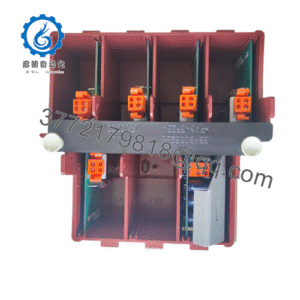
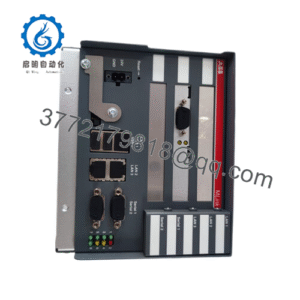
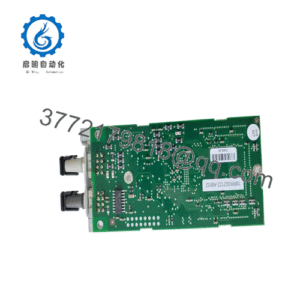
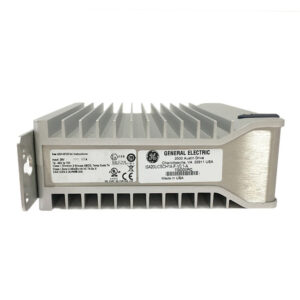
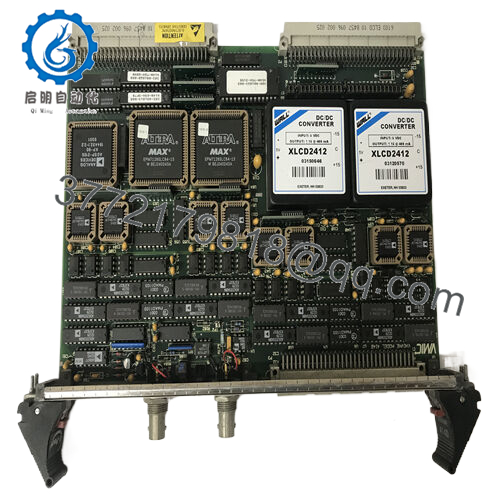
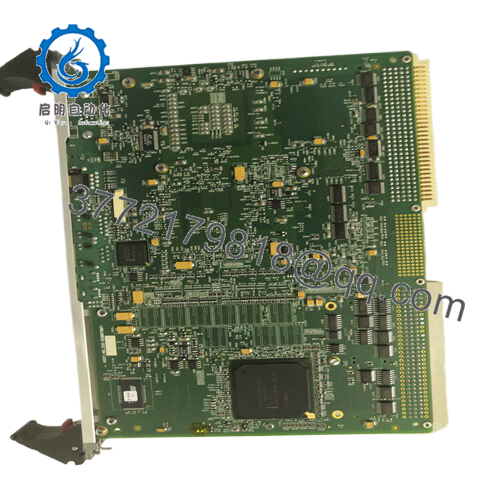
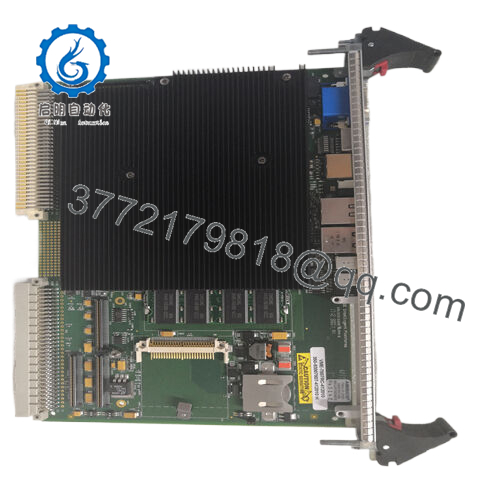
The GE VMIPCI-5565-11 is a high-speed reflective memory PCI card designed for deterministic data sharing across distributed control systems. It mirrors memory across all nodes in real time using a fiber-optic ring, making it standard in simulation, power generation, and test systems where microsecond-level synchronization is required.
This product is a Brand New Surplus unit. It is not used, not pulled from a decommissioned plant, and not refurbished. Procuring this card as New Surplus reduces Total Cost of Ownership (TCO) by avoiding unpredictable failures common in secondary-market units. Given its legacy deployment base and long OEM lead times, maintaining buffer stock mitigates lead time variability and prevents costly system downtime.
5. Installation & Configuration Guide
Stage 1: Pre-Installation (Prep & Safety)
- Execute lock-out/tag-out procedures on the host system.
- Wear a grounded ESD wrist strap.
- Document existing module: photograph DIP switches, fiber connections, and PCI slot position.
Stage 2: Removal
- Power down the system completely.
- Disconnect fiber cables carefully—avoid bending or contaminating connectors.
- Remove the PCI retention screw and extract the card evenly to prevent backplane pin stress.
Stage 3: Installation (Clone & Seat)
- Match DIP switch or jumper settings exactly from the original unit.
- Insert the VMIPCI-5565-11 firmly into the PCI slot; ensure full seating.
- Reconnect fiber cables, maintaining ring topology continuity.
Stage 4: Power-On & Testing
- Power up and verify 24 V system rails are stable.
- Check LED indicators: RUN (active), ERR (fault).
- Validate memory synchronization across nodes and confirm interrupt signaling.

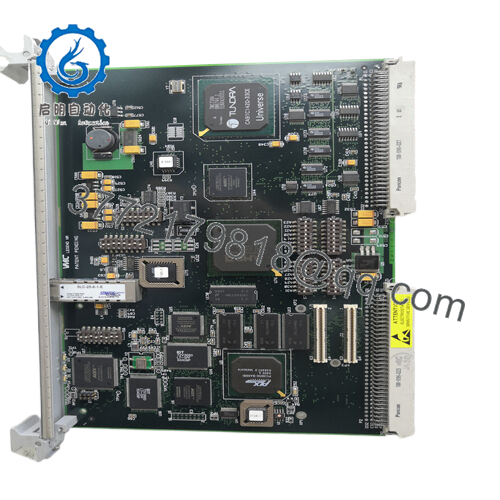
- VMIPCI-5565-11
6. Firmware/Software Versions & Upgrade Notes
- Recommended Firmware: Match existing node firmware (commonly V2.x for legacy systems).
- Compatibility Note: Firmware mismatches across nodes can introduce data latency or communication faults. All nodes must run aligned firmware revisions.
- Driver Dependency: Ensure host drivers support the installed firmware version; older drivers may not recognize newer firmware builds.
- Upgrade Risk: Avoid unnecessary firmware upgrades during replacement. A mismatch can disrupt deterministic timing and require full network revalidation.
7. Frequently Asked Questions (FAQ)
Q1: Are these units truly new, not refurbished?
Yes. These are New Surplus units sourced from OEM channels. No prior field use, no repairs, and no component-level rework. Backplane connectors show zero insertion wear.
Q2: Why is the price higher than refurbished units?
Refurbished cards often contain aged capacitors and unknown lifecycle exposure. A single failure in a reflective memory network can halt the entire system. Paying 20–30% more upfront avoids high downtime costs and unplanned outages.
Q3: Is this model approaching End-of-Life (EOL)?
The 5565 series is considered legacy in many installations. OEM production is limited. A last-time-buy strategy and defined buffer stock (1–2 units minimum per critical system) is recommended.
Q4: Can this card be hot-swapped?
No. Standard PCI architecture does not support hot swapping. Always power down before replacement to prevent bus damage or data corruption.
Q5: Does the card retain configuration after removal?
Yes, configuration is hardware-based (DIP switches/jumpers). However, always document settings before removal to avoid node addressing conflicts.
Q6: What warranty is included?
Typically 12months. Each unit includes QC test reports, serial verification, and functional validation documentation.
Q7: What is the recommended stocking strategy?
For critical systems: maintain 1–2 units as buffer stock. For multi-site operations, implement cross-site sharing and vendor consolidation to reduce total inventory while ensuring availability.