 WhatsApp: +86 16626708626
 Email:
  Phone: +86 16626708626
Description
3. Key Technical Specifications
| Parameter | Value |
|---|---|
| Model Number | GESSBS-6AH256 |
| Manufacturer | GESPAC |
| Product Type | Industrial Single Board Computer (SBC) |
| Board Family | GESSBS-6A |
| Memory Capacity | 256 MB |
| System Architecture | VMEbus Industrial Computer |
| Primary Function | Embedded control and data processing |
| Installation | VME Rack / Industrial Control Chassis |
| Typical Applications | PLC, DCS, Motion Control, Factory Automation |
| Cooling | Passive chassis cooling (system dependent) |
| Product Status | Legacy / Obsolete |
| Availability | New Surplus and Refurbished Units Available |
4. Product Introduction
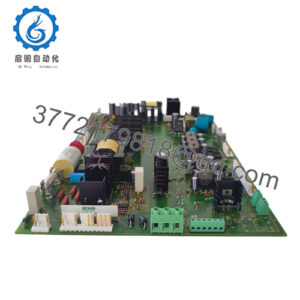
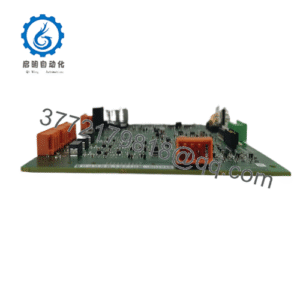
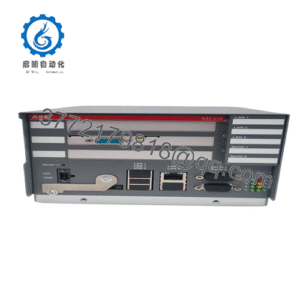
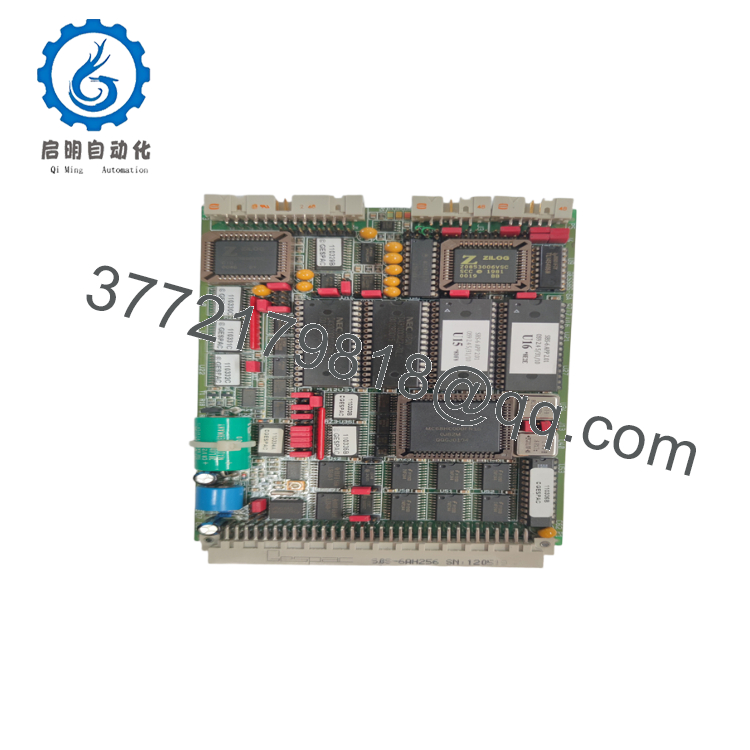
The GESPAC GESSBS-6AH256 is an industrial Single Board Computer (SBC) designed for embedded control systems based on the VMEbus architecture. It provides CPU processing and system memory for industrial automation equipment where long-term reliability and deterministic operation are required.
This model is commonly found in legacy manufacturing systems, machine automation, process control platforms, and custom OEM equipment. Because the board is no longer in production, replacement projects should verify the complete part number, firmware revision, and installed operating software before commissioning.
5. Installation & Configuration Guide
Stage 1 – Pre-Installation Preparation (10 minutes)
⚠️ Safety First
- Notify operations of the planned shutdown.
- Follow Lock-Out/Tag-Out (LOTO) procedures.
- Remove power from the VME chassis.
- Wait at least 5 minutes before opening the cabinet.
- Wear an ESD wrist strap throughout the replacement.
Tools Required
- ESD wrist strap
- Phillips screwdriver
- Digital multimeter
- Cable labels
- Smartphone for documenting cable routing
Data Backup
- Back up the operating system and application software if stored locally.
- Record BIOS or firmware revision.
- Photograph the board location.
- Record jumper settings and daughterboard configuration.
Stage 2 – Removing the Existing Board (5–10 minutes)
- Open the control cabinet.
- Label all external interface cables.
- Disconnect front-panel connectors.
- Release the VME ejector handles evenly.
- Remove the board in a straight line.
- Inspect the backplane connectors for bent pins or contamination.
⚠️ Retain the original board until the replacement has completed functional testing.
Stage 3 – Installing the New Board (10 minutes)
- Verify the complete model number GESSBS-6AH256.
- Compare hardware revision with the original board.
- Duplicate jumper and BIOS configuration where applicable.
- Insert the board evenly into the VME backplane.
- Lock both ejector handles completely.
- Reconnect all communication cables.
Self-Checklist
- ✔ Model verified
- ✔ Hardware revision confirmed
- ✔ Jumpers duplicated
- ✔ Connectors secured
- ✔ Board fully seated
Stage 4 – Power-On & Functional Testing (15–20 minutes)
Pre-Power Checks
- Verify chassis power supply voltages.
- Confirm no connector is loose.
- Inspect chassis grounding.
Startup Procedure
- Apply chassis power.
- Observe CPU boot sequence.
- Confirm POST completes normally.
- Verify operating system startup.
- Check communication with field devices.
- Confirm application software loads correctly.
⚠️ Troubleshooting
- No boot: Verify VME slot position and power rails.
- Communication failure: Check interface modules and backplane seating.
- Application will not start: Verify storage media and firmware compatibility.
- Random resets: Inspect power supply stability and chassis cooling.

- GESSBS-6AH256
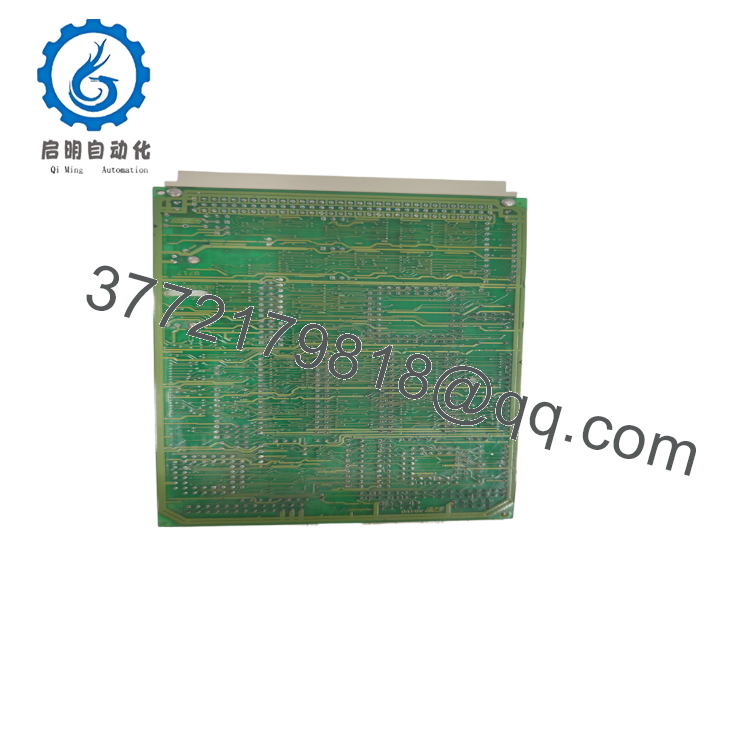
- GESSBS-6AH256
6. Frequently Asked Questions (FAQ)
Q1. Is the GESSBS-6AH256 still manufactured?
No. The GESSBS-6AH256 is a legacy GESPAC industrial computer board. Most available units today are New Surplus or professionally refurbished.
Q2. Can I replace the board without reinstalling the application software?
In many systems, yes, provided the replacement has the same firmware revision and hardware configuration. If storage devices are mounted on the board, back up all software before replacement.
Q3. Is the 256 MB memory upgradeable?
That depends on the specific board revision. Some GESSBS-6A variants support memory expansion, while others have fixed onboard memory. Verify the hardware revision and manufacturer documentation before attempting an upgrade.
Q4. Can this board be hot-swapped?
No. Standard VME CPU boards are not intended for hot replacement unless the complete system has been specifically designed for live insertion. Always remove system power before replacing the board.
Q5. Why should I record jumper settings before removal?
This is one of the most common causes of extended downtime. Boot mode, memory configuration, and interface settings may differ from factory defaults. Photographing the original configuration can save hours of troubleshooting.
Q6. Why are New Surplus units typically less expensive than original OEM pricing?
New Surplus inventory generally comes from cancelled projects, spare-parts stock, or unused OEM inventory. Although the components have never been placed into service, they are no longer in active production, which often results in lower pricing.
Q7. What should be verified before returning the machine to production?
An experienced field engineer should confirm:
- Correct hardware revision
- BIOS and firmware compatibility
- VME backplane communication
- Stable power supply voltages
- Successful operating system boot
- Application software functionality
- Communication with all I/O modules
- Normal system diagnostics
Completing these checks before restarting production minimizes commissioning time and helps avoid unexpected faults after replacing the CPU board.