 WhatsApp: +86 16626708626
 Email:
  Phone: +86 16626708626
Description
3. Key Technical Specifications
| Parameter | Specification |
| Manufacturer | GESPAC (Also utilized as a sub-assembly by Lam Research / Fico Besi) |
| Part Number | GESSIO-1E |
| Product Class | Legacy Microcomputer Interface / Automation Control Board |
| Bus Type Architecture | Standard G-64/G-96 Bus Compatible Single-Height Eurocard |
| Communications Array | Integrated multi-channel RS-232 serial interfaces |
| Logic Levels | Configured for standard 5 V TTL / CMOS industrial logic matching |
| I/O Population | Discrete digital input and output lines mapped directly to bus logic |
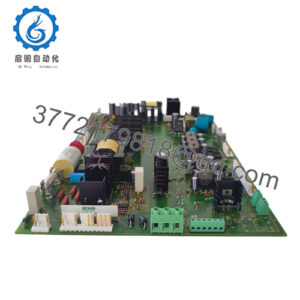
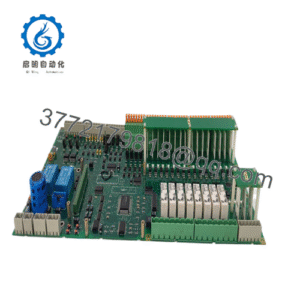
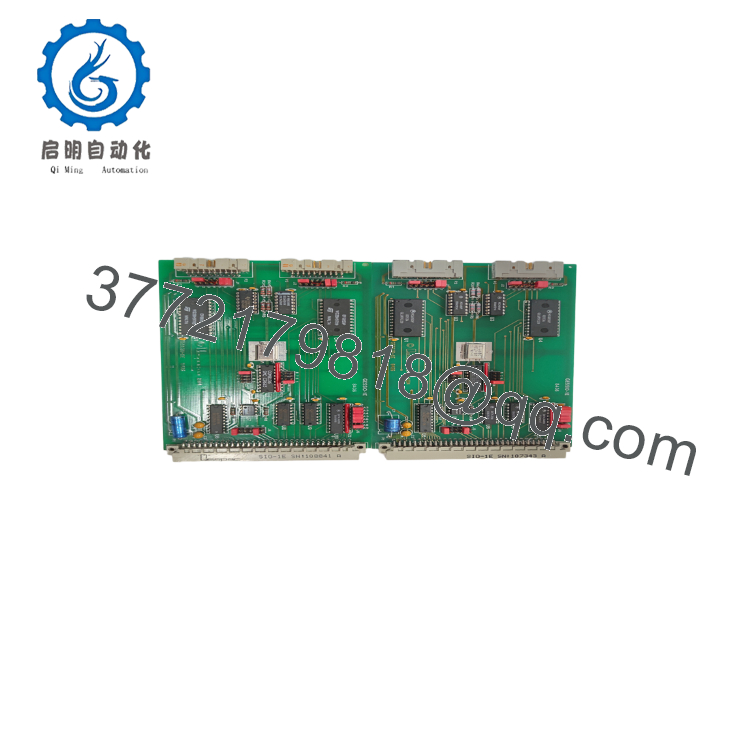
| Component Layout | Dual onboard UART controller chips with dedicated oscillator circuits |
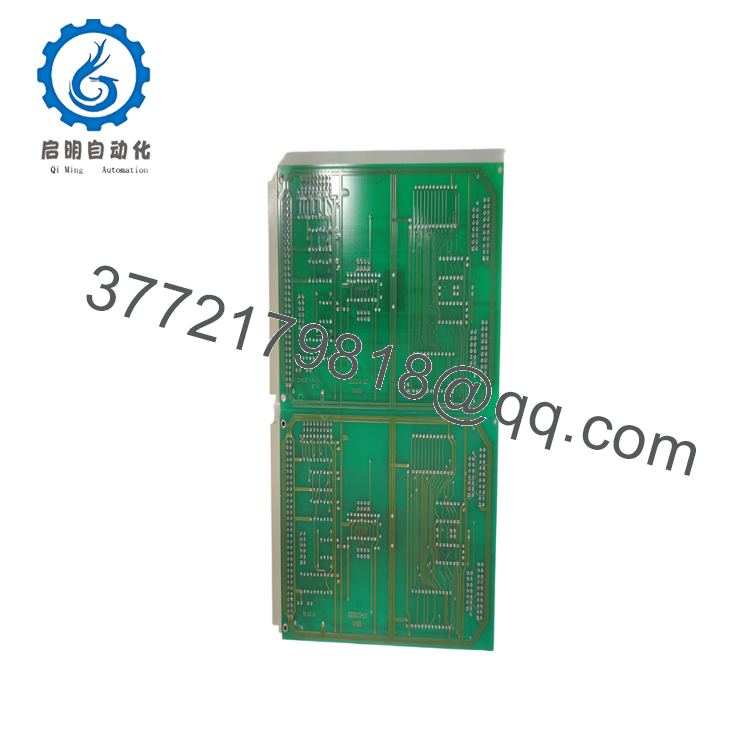
| PCB Shielding Style | Bare board architecture with standard localized solder masking |
| Operating Voltage | +5 Vdc and ±12 Vdc drawn directly from backplane rails |
| Connection Terminals | High-density DIN 41612 connector interface |
4. Product Introduction & Supply Chain Strategy
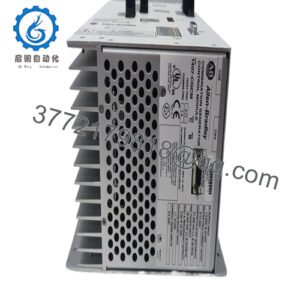
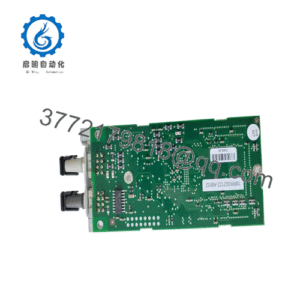
The GESSIO-1E is a high-reliability industrial interface board originally engineered by GESPAC and heavily utilized across specialized automated platforms, including Lam Research etch/deposition tools and Fico Besi semiconductor molding systems. Operating on a compact Eurocard footprint, this module runs dedicated communications processing, converting localized bus instructions into multi-channel RS-232 serial or discrete TTL lines. This allows primary equipment controllers to synchronize high-speed actions with peripheral handling robots, mass flow controllers, and sensor arrays.
Because the GESSIO-1E has been phased out by the original manufacturer, securing verified New Surplus units is the most effective approach to protect your line layout from unexpected downtime. Used or refurbished electronics from old machinery often hide subtle damage, such as microscopic cracks in the multi-layer bus tracks or trace corruption from processing chemicals. A failure in a refurbished communication interface could cause data errors that ruin entire batches of silicon wafers. This factory-sealed New Surplus module eliminates that hazard, ensuring immediate plug-and-play installation with zero operational wear.

- GESSIO-1E
- GESSIO-1E
5. Installation & Configuration Guide
Stage 1: Pre-Installation (Prep & Safety)
- Chassis De-energization: Power down the entire card rack assembly. Disconnect and tag out the primary AC supply lines feeding the DC power supply subassembly. Verify that all voltage rails read 0 V.
- Hardware Recording: Before pulling the existing board, document the positions of all onboard jumpers or wire-wrap selections to ensure the address mapping coordinates perfectly.
- Static Dissipation: Wear a properly grounded ESD wrist strap before unboxing the new board. Legacy CMOS communication chips are highly sensitive to sudden static discharge.
Stage 2: Removal
- Cable Disconnection: Carefully unlatch and slide out any front-facing ribbon lines or DB serial plugs linked to the faceplate.
- Card Extraction: If the rack uses card locks, flip the upper and lower levers outward. Pull the card smoothly along its guide channels, keeping it flat to avoid bending the rear pin connectors.
- Inspection: Place the old module face up on an anti-static mat for reference.
Stage 3: Installation (Clone & Seat)
- Jumper Alignment: Configure all trace jumpers on the new New Surplus GESSIO-1E to exactly match the board you removed. This ensures the host system addresses the module correctly.
- Card Insertion: Slide the card into the empty slot tracks inside the sub-rack. Press firmly on the card edge until the rear DIN 41612 plug seats fully into the backplane socket.
- Wiring Fastening: Re-attach all front-panel communication cables, ensuring they are locked down to prevent loose data lines.
Stage 4: Power-On & Testing
- Initial Power-Up: Apply system power to the rack.
- Boot Diagnostics: Monitor the host controller’s startup window. Verify that the communication system maps the card’s bus address without throwing timeout or configuration faults.
- Loopback Validation: Run a routine I/O status check or loopback test to verify clean, distortion-free data flow across all active channels.
6. Firmware/Software Versions & Upgrade Notes
The GESSIO-1E is a hardware-driven bus module that handles data transfer via onboard logic chips and UART controllers rather than upgradeable flash firmware. Hardware tracking is managed entirely by the physical board assembly and modification codes stamped on the PCB.
When integrating this module into older semiconductor or packaging tools, always ensure your main controller software matches the address profile set by the card’s jumpers. Swapping older revision boards with an updated 1E configuration is generally straightforward, but your system software must be set for the exact baud rates and bits-per-character profiles used by your field instruments.
7. Frequently Asked Questions (FAQ)
- Why is this card listed under both GESPAC and other brands like Lam Research? GESPAC manufactured the underlying Eurocard hardware platform. Specialized system builders like Lam Research and Fico Besi integrated these standard modules into their proprietary tools. The underlying design and circuit logic remain completely identical, allowing this module to drop right into those systems.
- What are the primary indicators that an old module is beginning to fail? Intermittent communication dropouts, sudden timeout codes on your operator panel, or corrupted data strings during production are common signs. These issues are often caused by aging oscillator crystals or thermal damage to the transceiver chips.
- Does this item come with its factory packaging? Yes. Every New Surplus GESSIO-1E we ship is packed in its original anti-static bag and protective boxing. It has been stored in a climate-controlled warehouse to ensure it arrives free of moisture, oxidation, or environmental wear.
- Can I hot-swap this card while the system backplane is active? No. Inserting or removing this board while the rack is powered can cause short circuits across the backplane data pins. This risks damaging the internal logic lines of the GESSIO-1E as well as adjacent processor modules. Always turn off the power before servicing.
- What role do the onboard jumpers play? The jumpers set the base address for the card on the shared system bus. They can also configure interrupt lines and select specific signaling voltages for the communication channels. Matching these settings to your old card is essential for proper system integration.