WhatsApp: +86 16626708626
 Email:
  Phone: +86 16626708626
Description
Key Technical Specifications
- Product Type: Quad Relay Interface Card for the Honeywell System 57 (5704) multi-channel fire and gas control system
- Relay Configuration: 4x Single Pole Double Throw (SPDT/SPCO), Form C contacts
- Contact Rating: 5 A at 110/250 VAC, or 32 VDC
- Action Modes: Selectable latch/non-latch and power-on/power-off action, configured to match site alarm philosophy
- I/O Isolation: Isolated inputs and outputs
- Operating Temperature: Reported as −20°C to 70°C on distributor listings — confirm against Honeywell’s System 57/5704 documentation before installing in a marginal environment
- Mounting: DIN rail or rack-mount, consistent with the System 57 card architecture
- System Role: Interfaces between sensor/control cards and external devices such as pumps, valves, and alarms in a 5704 rack
- Platform Note: The broader 5704 system supports an optional MODBUS interface facility for external monitoring and control of connected sensors — confirm whether that capability sits on this specific card or a separate system-level module for your configuration
- Installation Environment: Per system-level documentation, the 5704 platform is intended for indoor, non-hazardous area use
Product Introduction
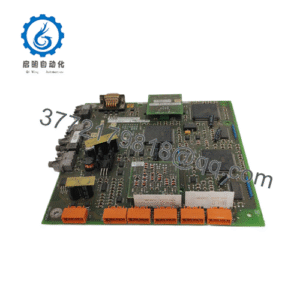
The Honeywell 05704-A-0121 is a Quad Relay Interface Card built for the System 57 (5704) multi-channel fire and gas control platform. It provides four independent SPDT relay outputs, giving the rack’s control cards a way to switch alarms, pumps, valves, or other external equipment based on connected sensor input.
Because the 5704 platform runs multiple sensor channels through a shared rack, this card is where relay-level alarm annunciation and equipment interlocking actually happen. Plants running a 5704 fire and gas system keep a spare on hand because a failed relay card can silently drop alarm outputs for connected equipment even while the sensor channel itself keeps reading and displaying correctly.
Troubleshooting Quick Reference
| Symptom | Possible Cause | Relevance to this Part | Quick Check Method | Recommendation |
|---|---|---|---|---|
| One relay output not switching | Failed individual relay coil on the card | ✅ High | Measure contact state at that specific relay’s terminals under a commanded alarm condition | Replace the card if that one relay fails to switch while the other three respond normally |
| All four relays fail to switch | Card not receiving power or backplane communication from the control card | ✅ High | Check rack power and confirm the associated control card is actually issuing a relay command | Isolate whether the upstream command signal is present before condemning the relay card |
| Relay switches, but connected equipment doesn’t respond | Wiring fault downstream of the relay card | ❌ Low | Measure voltage/continuity at the relay’s field wiring terminals under a commanded condition | Verify field wiring before replacing the relay card |
| Relay stuck energized or de-energized regardless of command | Welded contacts from repeated high-current switching | ✅ High | Check relay contact state independent of the command signal | Replace the card if contacts are confirmed welded or stuck |
| Latch mode won’t reset, or resets unexpectedly | Latch/non-latch action mode mismatched to site alarm requirements | ⚠️ Medium | Verify the configured action mode against your commissioning documentation | Reconfigure the action mode setting rather than replacing the card |
If these checks don’t resolve the issue, contact technical support with which specific relay channel is affected and the control card’s commanded state at the time of the fault.
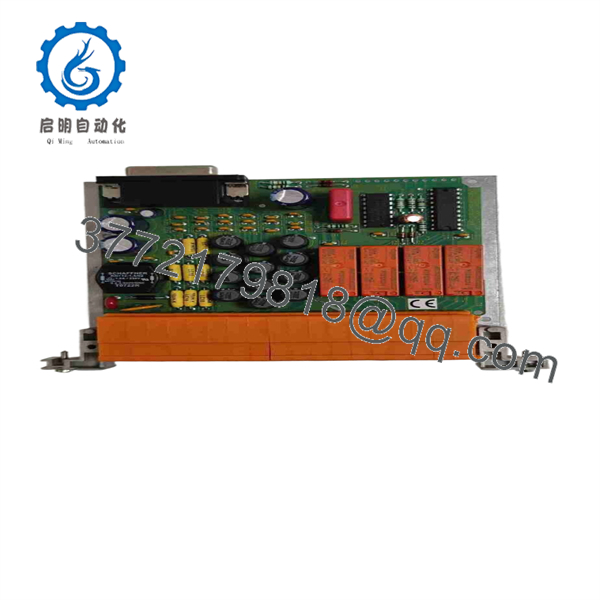
05704-A-0121
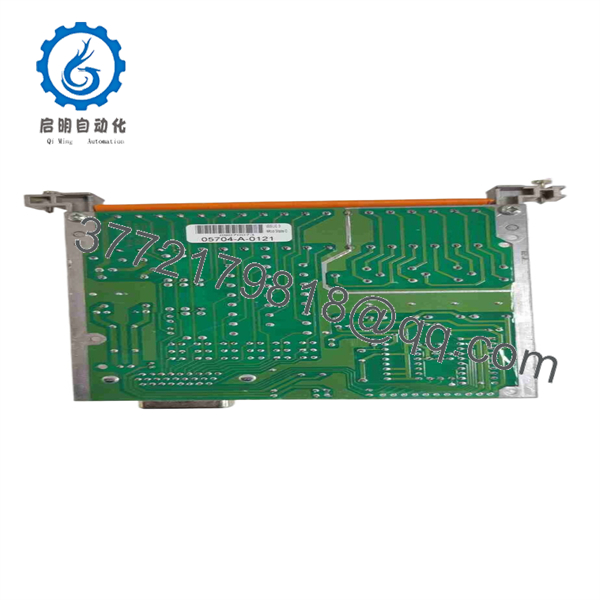
05704-A-0121
Frequently Asked Questions (FAQ)
Can I use this card on a 5701 rack instead of a 5704?
Don’t assume interchangeability across the two platforms. This card is tied to the 5704 multi-channel architecture specifically — confirm compatibility with your actual rack configuration before ordering, rather than substituting based on the shared “System 57” family name alone.
What’s the difference between latch and non-latch relay action?
Latch mode holds the alarm state until someone manually resets it, even after the triggering condition clears. Non-latch clears automatically once the condition goes away. Which mode you need is a site safety-philosophy decision, not a preference — check your commissioning documentation before changing it.
Can I install this in an outdoor or hazardous area?
No — per the 5704 system-level documentation, this platform is intended for indoor, non-hazardous area installation. If your application needs a hazardous-area or outdoor-rated relay interface, this isn’t the right part regardless of what an individual reseller listing might imply.
Does this card handle MODBUS communication directly?
The 5704 system supports a MODBUS interface facility at the platform level for external monitoring, but confirm whether that functionality lives on this specific relay card or on a separate system module in your configuration — don’t assume it’s built into every card in the family.
Can I replace just one relay channel without disturbing the other three?
No. All four relays live on a single card, so swapping it affects all four channels at once. Plan for a brief interruption across all four connected circuits during replacement, not just the one that failed.
Why do I see such different specs for this part number across different sites?
A number of listings for this part appear to describe an unrelated Honeywell Experion PKS module instead of the actual System 57/5704 relay card. Go by the fire-and-gas-specific description here, and confirm against Honeywell’s own System 57 documentation for anything critical to your installation.
What warranty should I expect?
Terms vary — some sellers offer a standard one-year warranty, others extend further on tested surplus. Since this card sits in a fire and gas safety loop, confirm what functional testing was actually performed before it shipped, not just the length of the warranty.