WhatsApp: +86 16626708626
 Email:
 Phone: +86 16626708626
Description
Key Technical Specifications
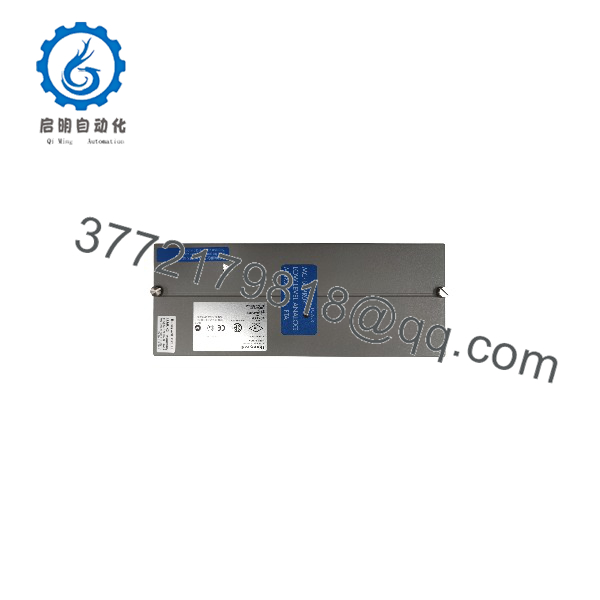
- Part Number: 51305907-175 (LLMUX2 assembly; contains PWA 51305905-175)
- Module Type: Low-Level Analog Input Multiplexer for UCN-based I/O
- Signal Types: Thermocouple (low-level mV), RTD (resistance), and other low-level analog inputs
- Input Signal Ranges: Voltage ±10 V; current 4–20 mA; resistance 100–5,000 Ω
- Power: 24 V DC, approximately 0.15 A draw
- Function: Sequentially multiplexes multiple low-level field signals into a single analog input channel path on the HPM/APM I/O
- Compatibility: Honeywell TDC 3000, TPS, UCN architecture with HPM/APM/PM process managers
- Hazardous Location Rating: Class I, Division 2, Groups A, B, C, D; T4 — Class I, Zone 2, Ex nA [nL] IIC T4 (per unit labeling, Rev B example)
- Max Ambient: 60 °C (Ta, per assembly labeling)
- Assembly Revision: Supplied per available revision (e.g., Rev B, HW Rev C, FW Rev E) — confirm your required revision before ordering
- Weight: Approx. 730 g
Verify exact revision compatibility against your existing module’s nameplate and the Honeywell LLMUX documentation before ordering — UCN-era systems often pin spares to a specific assembly revision.
Product Introduction
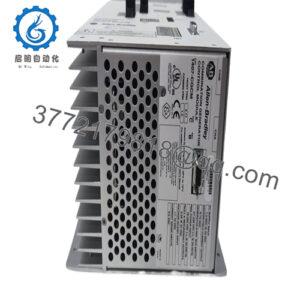
The Honeywell MC-TAMR04 (51305907-175) is the LLMUX2 low-level analog input multiplexer for TDC 3000 and TPS systems on the Universal Control Network. It routes batches of thermocouple and RTD signals — furnace skin temps, reactor bed profiles, bearing RTDs — into the HPM/APM’s analog input subsystem, letting one input subsystem serve dozens of temperature points without dedicated channels per point.
On a UCN system, this card is the difference between a temperature point reading 2 °C high and reading correctly: the multiplexer’s compensation and channel switching are matched to the HPM’s input electronics. Plants still running TDC 3000/TPS buy this part as a like-for-like replacement or strategic spare — the platform is discontinued, sealed stock only shrinks, and a failed LLMUX2 takes dozens of temperature points down with it. One card, one s
MC-TAMR04
MC-TAMR04
wap, points restored.
Troubleshooting Quick Reference
| Symptom | Possible Cause | Relevance to this Part | Quick Check Method | Recommendation |
|---|---|---|---|---|
| Multiple temperature points reading wrong or flatlined | LLMUX2 multiplexer failure — all points on the card affected at once | ✅ High | Check whether all affected points share the same LLMUX2 card in the I/O assignment | If a whole card’s worth of points fails together, replace the multiplexer |
| One temperature point reading high/erratic | Broken thermocouple extension wire or moisture in a junction box | ❌ Low | Measure the TC input at the field terminal with a mV meter and compare against a reference table | Fix the field loop — single-point issues are almost never the mux |
| Points reading slightly off across the card | Cold junction reference drift or loose compensation module | ⚠️ Medium | Compare several points against a calibrated reference; check the isothermal block connection | Recalibrate/repair the cold junction path before replacing the card |
| Card not recognized / no communication with HPM | Card not seated or wrong slot in the UCN I/O mapping | ❌ Low | Reseat the card in the powered-down slot; verify slot assignment against the HPM database | Correct the mapping — the module rarely faults this way |
| Intermittent point dropout in humid weather | Corrosion at field terminals or water ingress at marshalling | ⚠️ Medium | Inspect terminal blocks for green corrosion; check marshalling cabinet for moisture | Clean terminations; the card survives, the wiring doesn’t |
Honest note: when a whole LLMUX2 card’s points go bad together, it’s usually the card. When one point misbehaves, it’s almost always the field loop. Know which points map to which card before you start pulling anything. If you’re stuck, contact our technical support with the point-to-card assignment, the HPM diagnostic log, and a photo of the module’s revision label.
Frequently Asked Questions (FAQ)
Q1: Is the MC-TAMR04 still manufactured? How do I keep my TDC 3000 running?
No — Honeywell discontinued TDC 3000/TPS hardware production, and the MC-TAMR04 is available only through the surplus channel. Our units are New Original / New Surplus: factory-sealed stock from cancelled projects and de-inventoried sites, serial- and revision-verified against Honeywell records. If your plant will run TPS for years yet, buy your critical spares now — sealed stock of UCN-era hardware only gets scarcer, and a failed LLMUX2 takes an entire temperature profile with it.
Q2: Does the revision matter? What does “Rev B” mean on the label?
Yes, it matters. The assembly carries a revision letter, and the internal PWA carries its own hardware and firmware revisions (a Rev B assembly, for example, may contain PWA 51305905-175 with HW Rev C and FW Rev E). Some sites pin their spares to a specific assembly revision because their HPM database and site acceptance documentation reference it. To be honest, this revision-chasing is a hassle unique to legacy platforms, but it’s cheap insurance: send us the full label text from your existing card when requesting a quote and we’ll match it or tell you plainly what we have.
Q3: Can I hot-swap this module?
No. UCN-era I/O was not designed for live insertion. Pull the card with the I/O slot powered per your site’s shutdown procedure, or take the affected points to a safe state first. Live-pulling a multiplexer mid-scan can corrupt the input data of every point on the card and, in some cases, latch a fault that requires a full I/O restart. Schedule it like the 1990s hardware it is: points safe, power down, swap, power up, verify.
Q4: Will my temperature points need recalibration after the swap?
The multiplexer itself doesn’t hold your calibration — ranges and engineering units live in the HPM database, so point configuration survives the swap. What you should verify: after replacement, check several representative points against a calibrated reference or a known-good field reading, and confirm the cold junction compensation reads correctly at ambient. That’s a 15-minute check for a card feeding dozens of points. Document it — on legacy systems, your calibration records are often the only thing standing between you and a lengthy argument during an audit.
Q5: Why are all my temperature points reading the same wrong value?
That’s the classic multiplexer failure signature. The LLMUX2 sequentially switches each field signal into the input path — when the switching stage fails, all points read the last-latched value or a garbage value in common. Before ordering, confirm all the affected points share one card in the I/O assignment. If they do, the card is your culprit and this replacement fixes it in one swap. If the bad points span multiple cards, look at the HPM input subsystem or the database instead.
Q6: How is it “New Original” if the platform is discontinued?
Because the stock predates the discontinuation. New Surplus means genuine Honeywell units that were manufactured, sealed, and never installed — sourced from cancelled projects, liquidated sites, and distributor overstock. They carry original Honeywell labeling and part numbers. We verify serial and revision data, inspect for seal integrity, storage damage, and UV yellowing, and photograph the label before shipping. That’s the entire surplus channel in one sentence: the hardware stopped being made, but plenty of genuine units never left the warehouse.
Q7: What’s the lead time and warranty?
In-stock units ship within 24–48 hours with ESD-safe packaging. Every unit carries a 1-year warranty covering functional failure and ships with our inspection report. Because UCN-era stock moves in waves and revision matching matters, contact us with your label details and quantity before ordering — we’ll confirm the exact revision on hand honestly rather than take the order and discover a mismatch at your dock.