WhatsApp: +86 16626708626
 Email:
  Phone: +86 16626708626
Description
Key Technical Specifications
- Product Type: Digital brushless servo drive
- Series: Kollmorgen Goldline Smart Drive
- Model: BJRL-20012-110001
- Input Supply Voltage: 35–130 VAC
- Input Frequency: 50/60 Hz
- Voltage Class: 115 VAC nominal system class
- Output Current Rating: 12 A class
- Motor Type: Brushless servo motor
- Control Axes: One axis
- Feedback Connection: J13 feedback interface
- Control Interface: Smart Drive motion-control interface
- Auxiliary Outputs: 15 V auxiliary supply outputs, 20 mA
- Power Supply Section: Three-phase power circuit with smoothing capacitors
- Mechanical Format: Eurocard-style drive module
- Approximate Weight: 2.38 kg
- Installation Requirement: Grounded conductive mounting panel with correct cabinet cooling
- Product Status: Legacy/obsolete series; confirm stock and actual revision before ordering.
Product Introduction
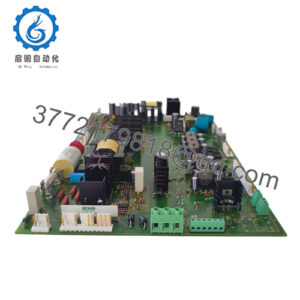
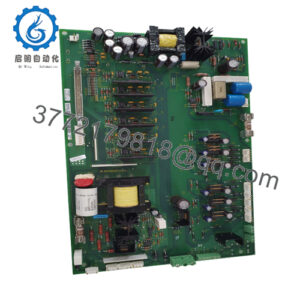
The Kollmorgen BJRL-20012-110001 is a Goldline Smart Drive servo amplifier for single-axis brushless motor control in legacy motion systems. It operates from a 35–130 VAC, 50/60 Hz supply and is typically found in machinery requiring coordinated position, velocity, and torque control.
This drive is purchased primarily as an exact-model replacement where the machine already uses Goldline Smart Drive hardware, established motor feedback wiring, and legacy controller software. Confirm the full label number, motor model, feedback device, supply voltage, and control-cable pinout before ordering. The “BJRL-20012” base number alone is not enough for a safe replacement decision.
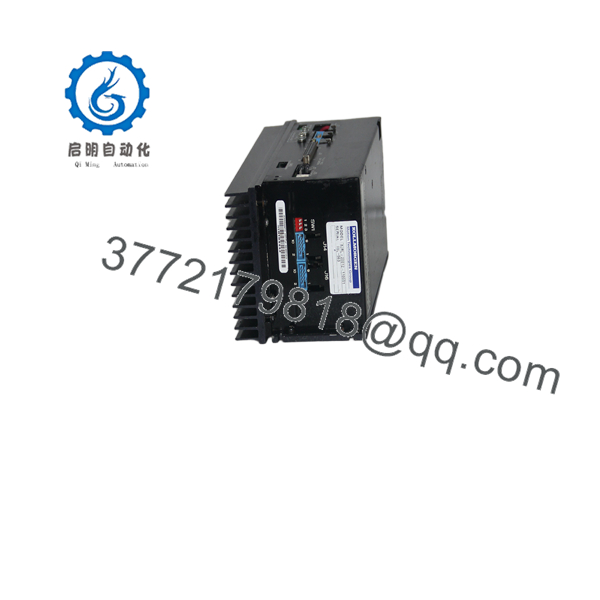
BJRL-20012-110001
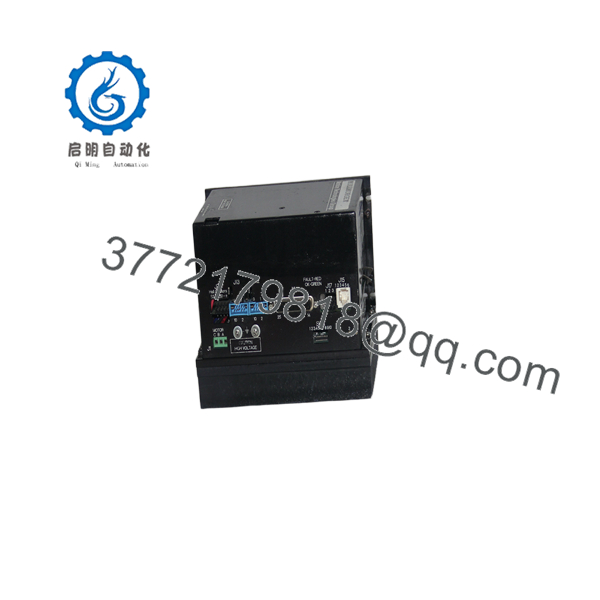
BJRL-20012-110001
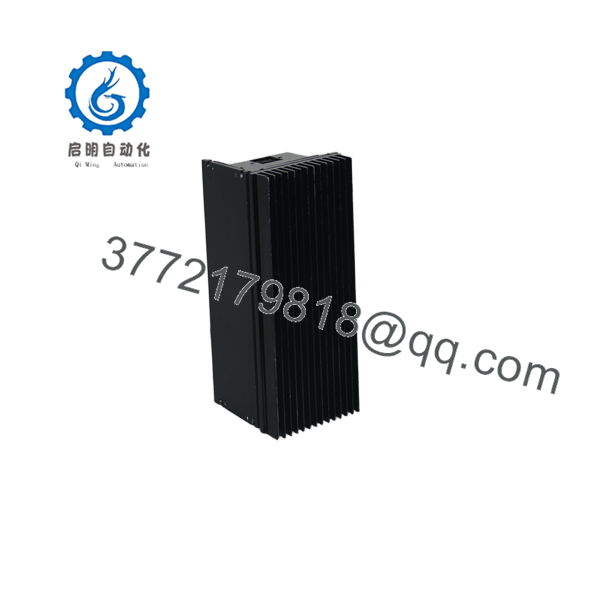
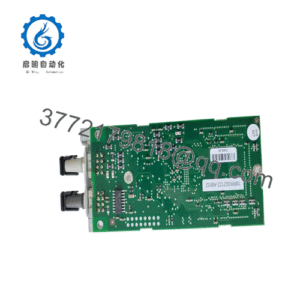
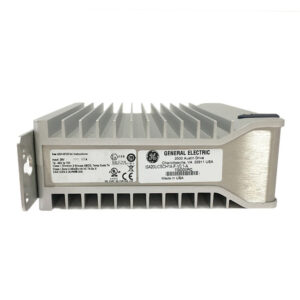
BJRL-20012-110001
Troubleshooting Quick Reference
| Symptom | Possible Cause | Relevance to This Part | Quick Check Method | Recommendation |
|---|---|---|---|---|
| No power or no drive status indication | Upstream fuse, disconnect, transformer, control power, or failed drive power section | ✅ High | Measure AC supply at the drive input with a correctly rated meter; verify the voltage is within the 35–130 VAC range | Check line fuses, transformer output, contactors, and supply wiring before replacing the drive |
| Drive faults immediately after enable | Motor cable short, incorrect motor parameters, feedback error, or internal output-stage fault | ✅ High | Isolate power, inspect motor cable for phase-to-ground faults, then measure winding resistance and insulation | Do not reconnect a suspect motor cable to a replacement drive until the cable and motor pass testing |
| Motor hums but does not rotate | Missing phase, brake not releasing, encoder/resolver fault, or mechanical jam | ❌ Usually external | Check all motor phases, verify brake voltage if fitted, and confirm the axis can move safely with power removed | Test motor, brake, coupling, gearbox, and load before condemning the BJRL drive |
| Motor runs away or moves in the wrong direction | Feedback polarity, phase order, scaling, or controller configuration mismatch | ❌ Usually configuration | Compare motor phase order and feedback wiring against the old drive; perform a low-speed, unloaded test | Verify configuration before enabling production motion; incorrect feedback can create an uncontrolled move |
| Drive overcurrent fault during acceleration | Excessive mechanical load, incorrect tuning, jammed axis, shorted motor cable, or failed output stage | ✅ Possible | Disconnect the mechanical load where safe, inspect motion path, and monitor current demand during a reduced-speed test | Correct the mechanical problem or tuning issue first; do not raise current limits to hide the fault |
| DC bus or undervoltage fault | Low incoming AC voltage, weak transformer, loose terminals, or excessive inrush/load | ❌ Usually external | Measure supply voltage at the drive during enable and acceleration, not only at idle | Tighten terminals and evaluate transformer capacity, line sag, and shared-load behavior |
| Intermittent faults after warm-up | Cabinet temperature, contaminated cooling path, loose terminals, aging capacitors, or internal thermal failure | ✅ Possible | Run under normal load for at least 30 minutes; use a thermal camera or noncontact thermometer on the module and cabinet | Check airflow and cabinet temperature before replacing the drive; provide fault history and thermal evidence |
| Controller reports communication or following error | Controller settings, cable damage, feedback issue, mechanical slip, or drive fault | ✅ Possible | Inspect controller diagnostic history, verify control and feedback connectors, and compare commanded versus actual position | Capture diagnostic logs and connector photos before removing the installed unit |
❗ Power warning: This is a servo power amplifier. Isolate incoming power, verify that stored DC-bus energy has discharged, and follow your site lockout/tagout procedure before touching power or motor terminals.
❗ Replacement warning: Take clear photos of every terminal, jumper, feedback connector, and controller connection before removal. It is the most common replacement mistake: a technician moves the motor phases correctly but reverses feedback wiring or restores the wrong parameter set. The drive then faults, oscillates, or commands motion in the wrong direction.
❗ Sizing warning: Do not select a replacement only by “12 A” or “115 V.” Match the exact part number, input supply class, motor feedback type, interface revision, machine controller, and existing wiring. Keep these checks in mind and you will avoid most rework time.
If you are stuck, send technical support photos of the label, motor nameplate, drive fault display or LEDs, wiring terminals, feedback connector, and controller diagnostic log.
Frequently Asked Questions (FAQ)
Is the BJRL-20012-110001 a current Kollmorgen product?
No. It is a legacy Goldline Smart Drive model. Stock usually comes from surplus inventories, used equipment recovery, or refurbishment channels. Confirm actual availability, condition, label photos, and warranty before issuing a purchase order.
Can I replace BJRL-20012-110001 with any 12 A servo drive?
No. A 12 A current rating does not establish compatibility. The replacement must match the incoming supply range, motor power and feedback device, controller interface, feedback cable pinout, motor phase wiring, mechanical installation, and software configuration. If the drive controls a production axis, test the replacement at low speed and without load before returning the machine to service.
Can I hot-swap this drive?
No. Shut down and isolate the system first. Servo drives can retain hazardous DC-bus voltage after AC input power is removed. Wait for the manufacturer-specified discharge interval, measure for zero energy where your procedure requires it, and use a grounded ESD strap when handling control electronics.
Will I lose programming when I replace the drive?
The machine program normally resides in the PLC, CNC, or motion controller, but drive-specific setup may be stored in parameters, external controller configuration, or commissioning files. Before removal, back up the controller project and document motor data, current limits, feedback configuration, direction conventions, limits, gains, and fault history. To be honest, legacy Smart Drive systems can be a hassle if nobody saved the original setup files.
What condition should I expect from a New Surplus unit?
New Surplus means unused stock that may have been held by a distributor, OEM panel builder, integrator, or warehouse. It may not include current factory support or original factory seals. Request photos of the actual label, terminals, connectors, packaging, revision code, and included accessories. Verify that the supplier confirms the unit is unused rather than merely clean-looking used stock.
Why is a surplus or refurbished drive cheaper than a factory replacement?
This model is legacy equipment, and independent suppliers price it according to recovered inventory and demand rather than current factory list pricing. Refurbished units can cost less because they have prior operating history and may contain replaced components. Ask whether the unit underwent functional load testing, insulation testing, fault simulation, burn-in, and output-stage verification.
How should this drive be tested before shipment?
A proper test should include incoming visual inspection, label and revision verification, insulation and ground-continuity checks, power-up on a controlled AC source, fault-free enable, motor-feedback validation, low-speed direction test, current-monitoring under load, and a documented thermal run. Request a dated test report and photos or video of the exact BJRL-20012-110001 operating with a compatible motor and controller.