WhatsApp: +86 16626708626
 Email:
 Phone: +86 16626708626
Description
Core Product Summary (Brand / Model / Key Attributes)
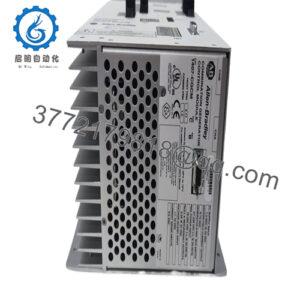
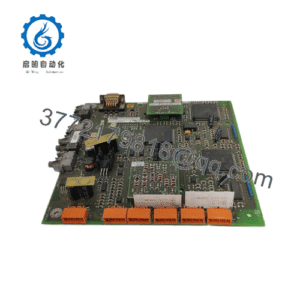
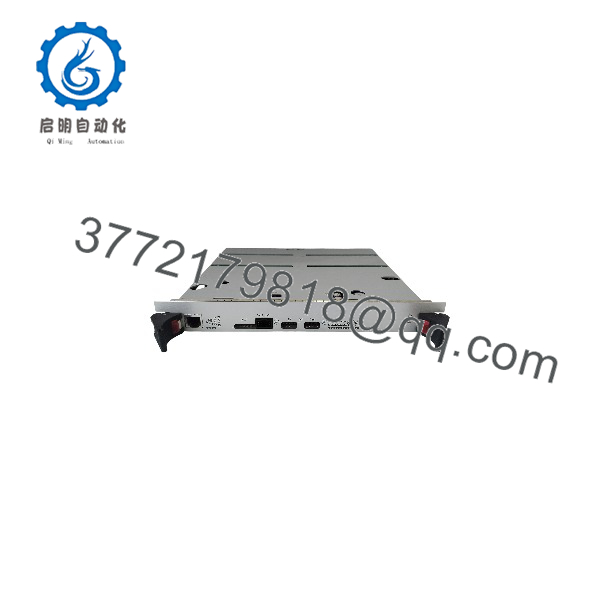
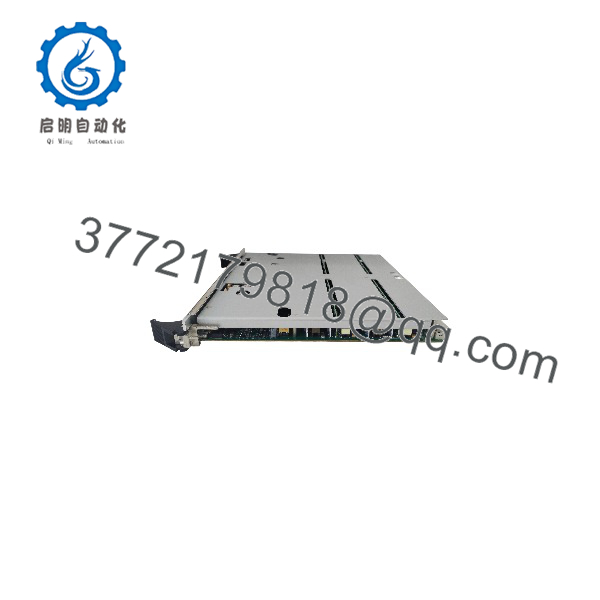
The Kongsberg TRX32 303088 (also designated under revision code TRX32 303088G) is a 32-channel multi-frequency transmitter and receiver PCB assembly engineered for Kongsberg Maritime’s High Precision Acoustic Positioning (HiPAP) system architectures. Operating as a core signal processing line-replaceable unit (LRU) inside HiPAP subsea transceiver units, this card establishes multi-element drive and reception pathways between the processing computer and the underwater acoustic transducer array.
The TRX32 303088 features a 32-channel acoustic transmitter and receiver layout, with each channel pair mapped directly to an individual transducer element within the spherical array. Operating across standard mid-frequency bands (typically 21 kHz to 31 kHz), the board enables beamforming and phase-calculated acoustic signal processing essential for tracking Remotely Operated Vehicles (ROVs), Autonomous Underwater Vehicles (AUVs), and subsea structures. Built for marine processing racks on dynamic positioning (DP) vessels and offshore drilling rigs, the module incorporates onboard signal conditioning, high-density line interface connectors, and rack-mounting hardware.
Key Technical Specifications
| Specification Parameter | Technical Value / Standard |
| Manufacturer | Kongsberg Maritime |
| Model / Part Number | TRX32 / 303088 (Revision variant: 303088G) |
| Product Category | 32-Channel Acoustic Transceiver PCB Assembly |
| System Architecture | Kongsberg HiPAP Series (HiPAP 501 / 451 / 351 / 101) |
| Channel Capacity | 32 Independent Transmission (TX) & Reception (RX) Channels |
| Acoustic Operating Band | Mid-Frequency Range (21 kHz to 31 kHz nominal band) |
| Transducer Interfacing | 1:1 Transmitter/Receiver Pair per Transducer Array Element |
| Signal Processing Functions | Digital Beamforming, Phase Detection, Acoustic Telemetry |
| System Communication | High-Speed Internal Backplane / Ethernet / Serial Diagnostics |
| Form Factor | Multi-layer Plug-in PCB for HiPAP Transceiver Chassis |
| Environmental Standard Compliance | IACS E10 / IEC 60945 (Marine Control Environment) |
| Operating Ambient Temperature | 0°C to +55°C (Internal Rack Environment) |
| Relative Operating Humidity | Up to 95% RH (non-condensing) |
Detailed Product Overview
The Kongsberg TRX32 303088 PCB assembly serves as an essential analog-to-digital and power transmission layer inside Kongsberg HiPAP hydroacoustic positioning transceivers. In offshore energy development, subsea construction, and deepwater survey operations, HiPAP systems rely on precise time-of-flight and phase-difference acoustic measurements to calculate target coordinates with sub-meter accuracy relative to the surface vessel.
The 32-channel architecture of the TRX32 303088 allows simultaneous driving and listening across 32 discrete ceramic elements in the HiPAP transducer head. During the transmission phase, the card generates phase-steered high-frequency drive pulses that synthesize acoustic beams aimed at subsea transponders. During the reception phase, the card amplifies, filters, and digitizes returning acoustic signals, passing conditioned data to the central HiPAP processing computer for position calculation.
Constructed on a heavy-duty industrial multi-layer circuit card with gold-plated backplane interface connectors, the TRX32 303088 is engineered to withstand continuous engine vibration, hull movement, and thermal fluctuations present in shipboard control rooms. Its modular rack-mount design allows technical personnel to replace the transceiver card directly during scheduled maintenance windows without taking the entire acoustic hull unit offline.
TRX32 303088
TRX32 303088
Engineering Selection Highlights
- 32-Channel Array Interfacing: Provides 32 dedicated transmit/receive channels to interface directly with high-density transducer element arrays.
- Precision Beamforming Support: Enables dynamic phase adjustment and spatial signal filtering required for accurate target tracking in noisy subsea environments.
- Dedicated HiPAP Architecture: Form-fit-function replacement PCB designed specifically for Kongsberg HiPAP 501, 451, 351, and 101 system electronics racks.
- Rugged Marine Construction: Manufactured to comply with IACS E10 marine standards for vibration, shock, and electromagnetic compatibility.
- Onboard Signal Filtering: Integrates active hardware filtering to suppress ambient vessel noise, thruster cavitation interference, and auxiliary sonar signals.
System Compatibility & Integration Requirements
| System Component / Layer | Compatibility / Integration Requirement | Practical Note |
| Underwater Positioning System | Kongsberg HiPAP System (501, 451, 351, 101 series) | Primary transceiver card for acoustic transducer head arrays. |
| Transceiver Processing Electronics | HiPAP Transceiver Rack / Card Cage | Occupies dedicated transceiver slot; connects to system bus and array cabling. |
| Transducer Head Assembly | Multi-element Spherical / Planar Acoustic Transducer | Wiring harnesses map each of the 32 TRX32 channels to an array element. |
| System Software / Firmware | Kongsberg APOS (Acoustic Positioning Operator Station) | Hardware revision (e.g., 303088G) must match system software build requirements. |
Dimensions, Mounting & Connection Notes
- Form Factor: Plug-in circuit card assembly matching Kongsberg HiPAP transceiver card cage dimensions.
- Mounting Method: Slides into designated card guide rails within the HiPAP electronic processing unit; locks in place via captive front-panel thumbscrews or card latches.
- Backplane Connections: High-density multipin rear connectors interface directly with the internal rack backplane for power distribution, signal routing, and control logic.
- Electrostatic Discharge (ESD) Shielding: ESD handling procedures (grounded wrist strap) are required during module removal or installation to protect sensitive low-noise amplifier stages.
- Thermal Management: Ensure forced-air ventilation fans in the HiPAP transceiver rack are functional to maintain proper cooling across the 32 transmitter power stages.
FAQ
What is the primary function of the Kongsberg TRX32 303088?
The TRX32 303088 is a 32-channel acoustic transceiver PCB used in Kongsberg HiPAP subsea positioning systems to transmit high-frequency pulses to transducer array elements and process incoming acoustic signals.
Which positioning systems use the TRX32 303088 module?
It is used within Kongsberg HiPAP acoustic positioning transceiver architectures, including HiPAP 501, HiPAP 451, HiPAP 351, and HiPAP 101 systems.
How many channels does the TRX32 303088 support?
It features 32 independent transmit (TX) and receive (RX) channels, with each channel pair connected to a specific ceramic element in the transducer array.
What is the difference between part number 303088 and 303088G?
The letter suffix (such as “G”) represents the manufacturer’s internal hardware revision level. Both refer to the core TRX32 32-channel transceiver PCB assembly, but revision compatibility should be verified against existing rack hardware.
Is the TRX32 303088 a standard PLC I/O card?
No. It is a specialized, marine-grade hydroacoustic transceiver card engineered specifically for subsea acoustic positioning and telemetry, not a standard industrial automation PLC card.
Verification & Troubleshooting Notes
- Revision Alignment Check: Prior to installing a replacement TRX32 board, confirm that the revision code (e.g., 303088 vs 303088G) matches the requirements listed in the HiPAP system configuration file or existing card stack.
- High-Voltage Energy Discharge: The HiPAP transceiver unit contains internal power supplies and energy-storage capacitors used for acoustic pulse generation. Ensure the system is powered down and energy storage circuits have discharged before removing the TRX32 module.
- Channel Diagnostics via APOS: Utilize the Kongsberg APOS operator terminal diagnostic menu to run automated self-tests on the TRX32 board. Individual channel noise levels and transmitter output voltages can be monitored to isolate faulty array elements or channels.
- Connector Inspection: Inspect the multipin backplane connector on the rear of the TRX32 card for bent pins or contamination prior to insertion; improper seating can lead to loss of beamforming accuracy or channel communication errors.