WhatsApp: +86 16626708626
 Email:
  Phone: +86 16626708626
Description
Key Technical Specifications
| Parameter | Specification / Value |
| Manufacturer | Lyngsoe Marine (Wärtsilä) |
| Part Number | AEM402 (AEM-402) |
| System Compatibility | UCS 2100, CMS 2100, UMAS System Platforms |
| Operating Voltage | 24 V DC nominal (18–32 V DC operational range) |
| Power Consumption | Max 12 W at 24 V DC |
| Input/Output Channels | 16 Optically Isolated Digital/Analog Input Channels |
| Communication Interface | Dual CAN Bus / RS-485 Serial Interface |
| Operating Temperature | −15 to +70 °C (+5 to +158 °F) |
| Enclosure / Mount Type | Panel Mount / Sub-rack Eurocard Chassis |
| Marine Certifications | DNV-GL, ABS, Lloyd’s Register, BV Class Approval |
| Dimensions & Weight | Standard 3U Eurocard form factor; approx. 0.85 kg (1.87 lbs) |
Product Introduction & Supply Chain Strategy
The Lyngsoe Marine AEM402 is a specialized alarm monitoring and expansion module engineered for vessel propulsion engines, marine generator sets, and centralized alarm systems. Integrated into the UCS 2100 and CMS 2100 automation suites, the unit processes discrete sensor signals and delivers rapid data acquisition over dual-redundant communication channels.
From a inventory strategy perspective, stocking this unit as New Surplus delivers immediate operational risk mitigation. Because OEMs have phased out legacy Lyngsoe lines, securing unused original units avoids the severe reliability risks associated with salvaged or poorly reconditioned marine electronics. Keeping one AEM402 on-site as an insurance policy drastically reduces the Total Cost of Ownership (TCO) by eliminating vessel off-hire penalties and port state detention costs caused by engine monitoring system failures.
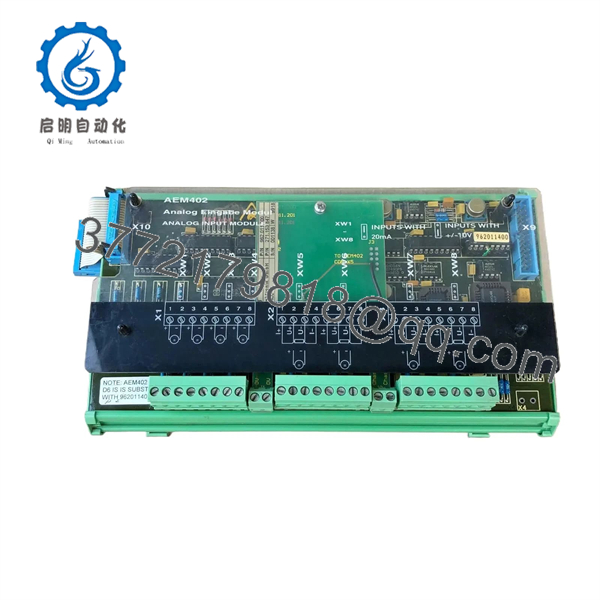
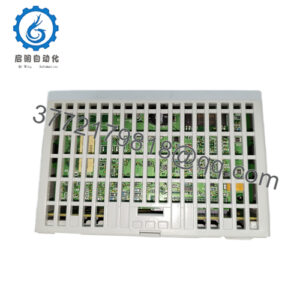
AEM402
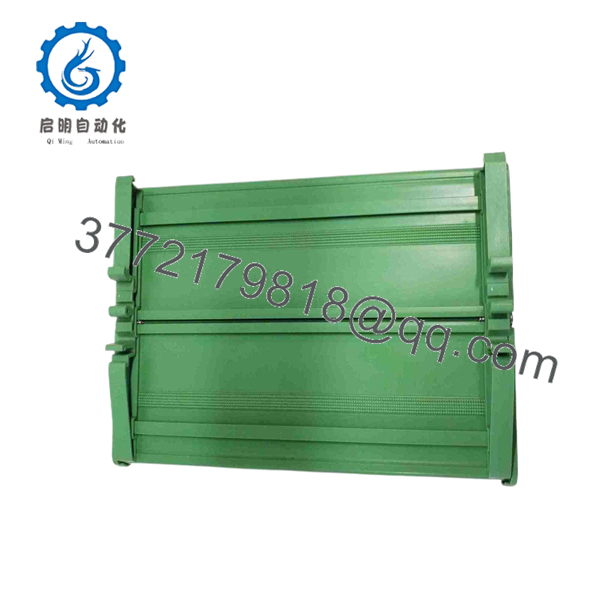
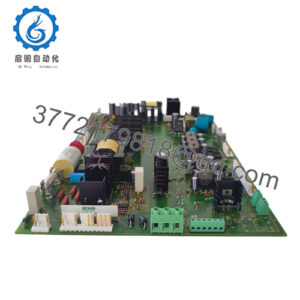
AEM402
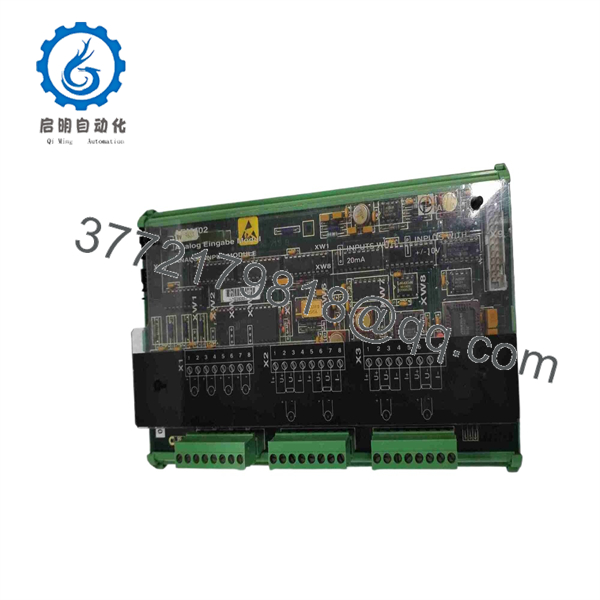
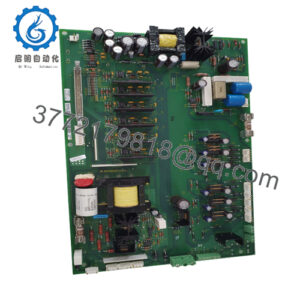
AEM402
Installation & Configuration Guide
1.Pre-Installation & System Isolation:Prioritize ESD and electrical safety before servicing.
- Lock out and tag out the main 24 V DC power feeds to the engine control cabinet.
- Put on a properly grounded ESD wrist strap connected to the enclosure frame to prevent static damage to CMOS logic chips.
- Document existing DIP switch block settings and rotary address dials on the side of the existing AEM402 using a high-resolution photo.
2.Safe Hardware Extraction:
- Label all field wiring terminal blocks or disconnect the pluggable multi-pin connectors directly without straining individual wires.
- Loosen the top and bottom retaining thumbscrews holding the Eurocard panel in the sub-rack.
- Gently slide the card straight out along its guide rails to avoid bending or snapping the rear backplane interface pins.
3.Card Configuration & Insertion:
- Match the DIP switch banks and address selectors on the replacement AEM402 module to mirror the old card exactly.
- Align the replacement module card edges with the chassis guide rails and slide it smoothly into the chassis.
- Firmly press the faceplate until the rear DIN connector seats fully into the backplane, then tighten the securing screws.
4.Power-On Validation & Commissioning:
- Measure the incoming power connections to ensure voltage sits stably between 21.6 V DC and 26.4 V DC with minimal ripple.
- Reconnect power and observe the status LEDs: verify the power rail LED illuminates steady green and the RUN indicator flashes at normal network polling frequency.
- Execute a local lamp/channel test and clear lingering bus faults from the main display panel.
Firmware/Software Versions & Upgrade Notes
- Standard Firmware Compatibility: The AEM402 module typically ships pre-loaded with standard marine system runtime firmware (Series V2.x to V3.x depending on factory lot).
- Protocol Compatibility: Ensure that the node address and baud rate switches match the system configuration file defined in the main UCS 2100 central processor. Upgrading main cabinet system software without verifying module firmware compatibility can cause communication timeout alarms on the system controller.
- Firmware Flashing Hazard: Avoid flashing firmware while the module is connected to active engine monitoring loops. Always complete bench-testing before field deployment to prevent corruption of bootloader code.
Frequently Asked Questions (FAQ)
Is this Lyngsoe Marine module brand new or pulled from a ship?
This module is New Surplus (Original New) inventory. It has never been installed on a active vessel, operated in an engine room, or pulled from a scrapped ship. All our surplus units originate from authorized spare part holdings, canceled shipyard projects, or strategic maintenance buffers.
Why does this New Surplus unit cost more than refurbished parts online?
Refurbished marine parts carry high risks of hidden component fatigue. Thermal stress and high-vibration engine room environments age capacitors, relays, and solder joints over time. A refurbished module might save a few hundred dollars initially, but a single point failure at sea can trigger thousands of dollars per hour in vessel downtime. Our pricing reflects verified, unused OEM quality that guarantees long-term operational peace of mind.
Is the a direct plug-and-play replacement?
Yes, provided you mirror the physical DIP switches, jumper positions, and bus address settings from your original board. No wiring modifications or cabinet re-engineering are required when replacing an identical hardware revision.
Can I hot-swap this module while the main engine is running?
Hot-swapping marine control electronics is not recommended. Removing or inserting an expansion card under load can create transient voltage spikes that damage adjacent backplane cards or trip safety shutdowns on operating auxiliary engines. Always power down the specific card slot or sub-rack before performing hardware replacement.
What warranty comes with this New Surplus module?
We back this unit with our standard 1-Year Comprehensive Replacement Warranty. Every module undergoes inbound visual, electrical, and communication bench verification before shipment to ensure immediate operational readiness out of the box.