 WhatsApp: +86 16626708626
 Email:
  Phone: +86 16626708626
Description
Key Technical Specifications
| Parameter | Specification |
|---|---|
| Manufacturer | Motorola (Motorola Embedded Computing) |
| Model Number | MVME162-222 |
| Processor | MC68040 (25 MHz) |
| L1 Cache | 8 KB |
| MMU | Yes (Memory Management Unit) |
| FPU | Yes (Floating Point Unit) |
| DRAM | 4 MB parity-protected DRAM |
| SRAM | 512 KB with battery backup |
| Flash Memory | 1 MB (on-board monitor/debugger) |
| NVRAM | 8K × 8 with time-of-day clock + battery backup |
| Serial Ports | 4× EIA-232-D DTE ports |
| IndustryPack Slots | 2 ports for I/O module expansion |
| Optional Interfaces | SCSI (32-bit local bus burst DMA), Ethernet (32-bit local bus DMA) |
| Timers | 6× 32-bit timers + 1 watchdog timer |
| VMEbus Interface | VME64 (dual-high board), A16/A24/A32 addressing, D8/D16/D32 data widths |
| System Controller | Yes (supports system controller functionality) |
| Operating Systems | VxWorks, LynxOS, OS-9 (real-time OS) |
| On-Board Debugger | Yes (diagnostic firmware included) |
| Form Factor | 6U VME (dual-high) |
| Dimensions | 233 mm (H) × 160 mm (D) × 17 mm (T) |
| Weight | ~1000 g |
| Applications | Power, petrochemical, rail transit, semiconductor equipment, industrial automation |
| Origin | USA |
Product Introduction
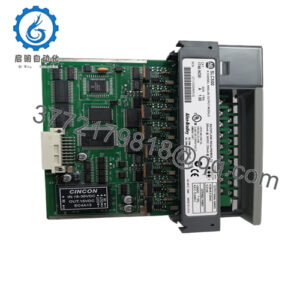
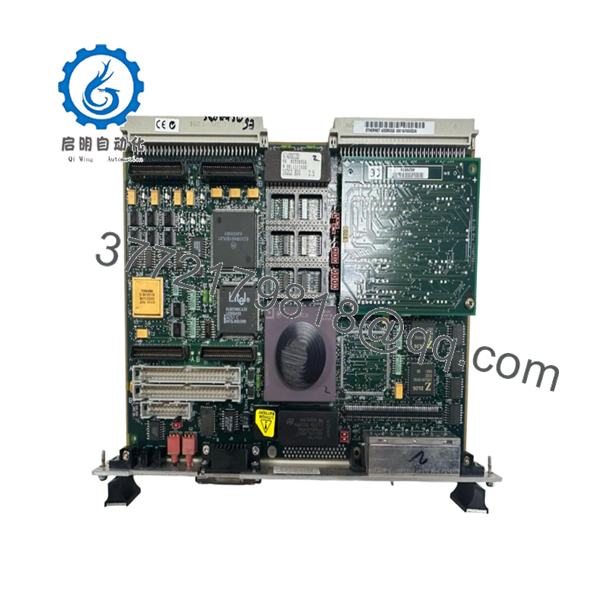
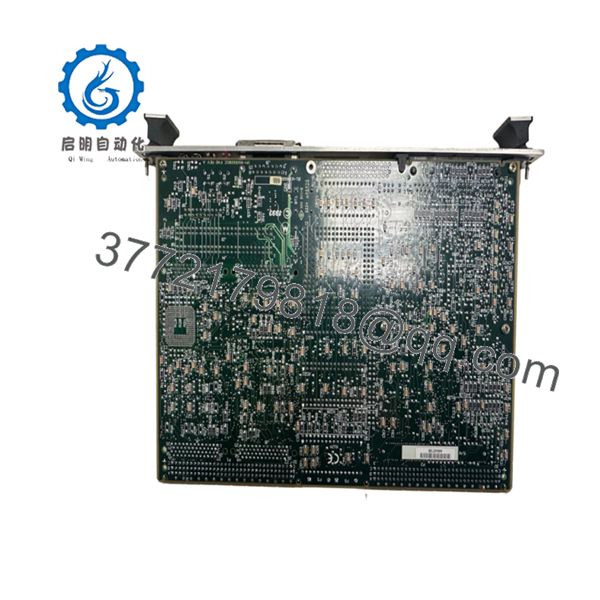
Motorola MVME162-222 is an embedded controller built around the 25 MHz MC68040 microprocessor with floating-point unit and MMU for industrial real-time control and data acquisition. It is part of the MVME162 series, known for reliability and versatility in embedded systems.
This board features 4MB parity-protected DRAM, 512KB battery-backed SRAM, 1MB flash, and four EIA-232-D serial ports. It supports VxWorks, LynxOS, and OS-9 real-time operating systems, making it suitable for power, petrochemical, rail transit, semiconductor equipment, and industrial automation applications. The MVME162-222 is a dual-high VME64 board with system controller functionality and optional SCSI/Ethernet DMA interfaces.

- MVME162-222
- MVME162-222
Troubleshooting Quick Reference
| Symptom | Possible Cause | Relevance to this Part | Quick Check Method | Recommendation |
|---|---|---|---|---|
| System will not boot | SBC fault or poor VME backplane seating | ✅ High | Power down, reseat board, inspect VME connector pins for damage | Replace if boot failure follows the board |
| No POST or console output | CPU fault, memory failure, or flash corruption | ✅ High | Check front-panel LEDs, measure 5V/±12V rails, read diagnostic buffer | Replace if CPU does not initialize |
| Random crashes or lockups | Memory parity error or overheating CPU | ✅ High | Monitor CPU temperature, run memory test if software available | Improve cooling or replace if errors persist |
| Serial communication failure on all ports | Serial controller fault or power issue | ✅ High | Test with loopback connector, check 5V rail stability | Replace if all ports fail loopback test |
| One or two serial ports dead | Port driver failure or cable fault | ✅ Medium | Swap cables, test with known-good device on same port | Replace board if multiple ports fail with good cables |
| SRAM data lost on power cycle | Battery dead or SRAM circuit fault | ✅ Medium | Check battery voltage (should be ~3V), verify NVRAM contents | Replace battery first; if data still lost, replace board |
| Board overheats | Failed thermal path or CPU overload | ✅ High | Thermal check after power-up; verify heatsink contact and airflow | Replace if overheating continues with proper cooling |
If you are stuck, contact technical support with photos of the board, front-panel LEDs, VME connector, and system diagnostic logs.
Frequently Asked Questions
Q: Is MVME162-222 a direct replacement for my existing board?
A: Only if your system uses the exact same model (MVME162-222). The processor speed (25 MHz MC68040), memory size (4MB DRAM, 512KB SRAM), and number of serial ports (4) must match. Other MVME162 variants (like MVME162-220, MVME162-213) have different specs. Check your board revision and firmware version.
Q: Is this part new or used?
A: This model is obsolete and typically sold as new surplus or refurbished (tested). No new factory stock exists. All available units are surplus or refurbished from EOL inventory.
Q: What warranty do I get?
A: Warranty varies by vendor: typically 1 year for new surplus, 90 days to 1 year for refurbished units. Confirm before ordering.
Q: Can I hot-swap this board?
A: No. VMEbus SBCs are not hot-swappable. Power down the entire rack before removing or installing. Backplane damage is a real risk if you try.
Q: Will this fix a system that will not boot?
A: Maybe. A bad backplane, power supply, or other VME card can cause similar symptoms. Check supply rails (5V, ±12V), reseat the board, and confirm the fault follows the SBC before replacing it.
Q: Do I need to reprogram the board after replacement?
A: Yes, likely. The MVME162-222 has 8K × 8 NVRAM with time-of-day clock and battery backup, plus 1MB flash for on-board monitor/debugger. Back up the existing configuration (firmware version, serial port settings, system parameters) before removal and restore it on the new board. Document DIP switches/jumpers with photos.
Q: Why is this cheaper than PowerPC-based MVME162 models?
A: The MVME162-222 uses the older MC68040 (25 MHz), which is slower than PowerPC 603E models (100–133 MHz) like MVME162-213/220. The 68040 is a legacy 68000-family processor, while PowerPC models support Linux and newer real-time OS versions with better performance.
Q: What should I verify before ordering?
A: Match the model (MVME162-222), processor (MC68040 25 MHz), memory (4MB DRAM, 512KB SRAM), serial port count (4), and operating system version. Confirm firmware/OS compatibility with your application. Always back up configuration before swapping. Take a photo of DIP switches/jumpers before removal and mirror the exact configuration on the new unit.