WhatsApp: +86 16626708626
 Email:
  Phone: +86 16626708626
Description
3. Key Technical Specifications
| Parameter | Value |
|---|---|
| Processor Options | MPC750 / MPC755 (up to 450 MHz) or MPC7410 (up to 500 MHz with AltiVec) |
| L1 Cache | 32 KB instruction / 32 KB data |
| L2 Cache | Up to 1 MB (750) or 2 MB (7410) backside |
| Front-Side Bus | Up to 100 MHz |
| Memory | Up to 512 MB on-board ECC SDRAM (expandable with RAM500 mezzanines) |
| Flash Memory | Up to 17 MB |
| Expansion | Dual IEEE P1386.1 32/64-bit PMC slots |
| Ethernet | Dual 10BaseT/100BaseTX |
| Serial Ports | Dual 16550-compatible asynchronous |
| NVRAM / RTC | 32 KB NVRAM with battery-backed time-of-day clock |
| Form Factor | 6U VME (single slot even when fully populated) |
| Architecture | PowerPlus II (Hawk ASIC PCI bridge / memory controller) |
| Typical Operating Temperature | 0 °C to +55 °C (extended temperature versions available) |
| Status | Discontinued / End-of-Life |
4. Product Introduction & Supply Chain Strategy
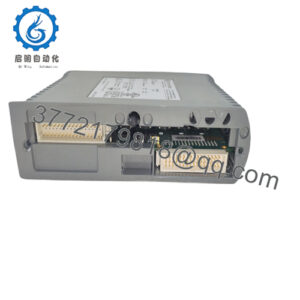
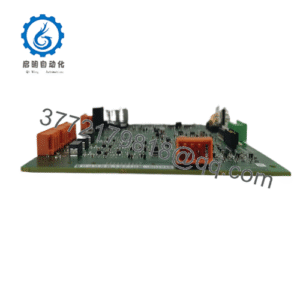
The Motorola MVME5100 is a high-performance 6U VME single-board computer built on the PowerPlus II architecture. It offers a choice of PowerPC processors (MPC750/755 or MPC7410 with AltiVec), substantial ECC SDRAM, dual PMC expansion sites, dual Ethernet, and dual serial ports while occupying only a single VME slot even when fully configured.
As a mature, fully obsolete platform still found in industrial automation, defense, and process-control systems, genuine New Surplus boards represent critical strategic inventory. Securing new, unused units protects against the limited remaining life and higher failure rates of refurbished boards, reducing total cost of ownership by minimizing unplanned downtime.
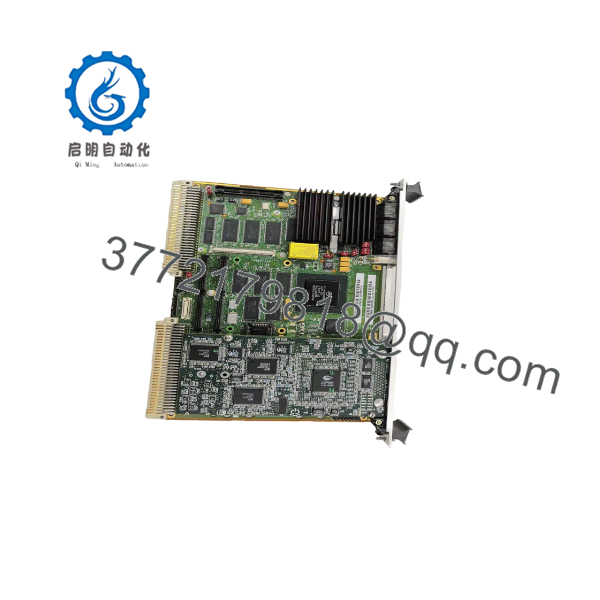
MVME5100
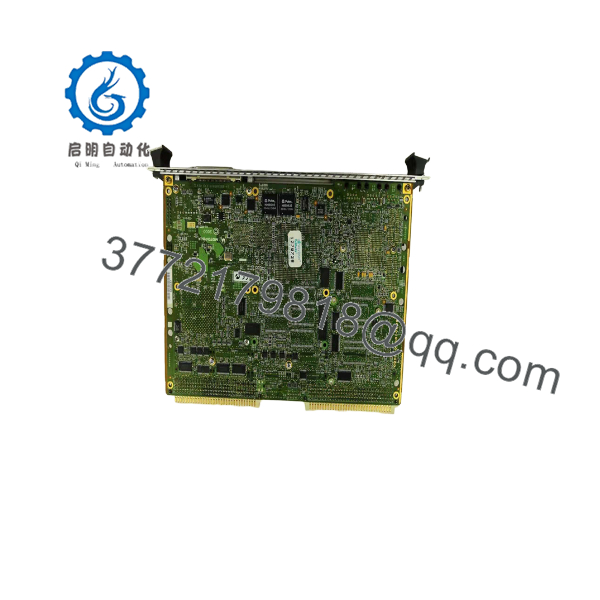
MVME5100
5. Installation & Configuration Guide
Stage 1: Pre-Installation (Prep & Safety)
Power down and lock out the VME chassis. Wear a grounded ESD wrist strap. Record the existing board’s firmware revision, memory configuration, PMC modules installed, and any jumper settings. Photograph front-panel connections and orientation.
Stage 2: Removal
Release the injector/ejector handles and carefully slide the existing board out of the VME slot. Support the board evenly to avoid stressing the P1/P2 connectors or adjacent modules.
Stage 3: Installation (Clone & Seat)
Verify that any required jumpers or configuration settings on the new MVME5100 match the original board. Align the board with the card guides and seat it firmly into the backplane until the ejector handles lock. Reinstall any PMC modules and reconnect front-panel or transition-module cables.
Stage 4: Power-On & Testing
Restore chassis power. Observe front-panel status LEDs. Verify processor boot, Ethernet link status, serial console access, and PMC functionality. Confirm that the application software and operating system load correctly before returning the system to service.
6. Firmware/Software Versions & Upgrade Notes
The MVME5100 typically runs Motorola/Emerson firmware or third-party boot monitors (including support for VxWorks and other real-time operating systems). Always document the exact firmware revision and any custom configuration parameters before replacement.
Do not load firmware images intended for different processor variants (750 vs. 7410) or different memory configurations. After installation, verify that the board correctly reports the installed SDRAM size, Flash, Ethernet controllers, and PMC devices. Incorrect firmware can prevent proper VMEbus participation or peripheral enumeration.
7. Frequently Asked Questions (FAQ)
Is this board new or refurbished?
This is Brand New Surplus / Original New. It has never been installed in a system and is not a repaired or refurbished unit.
Why is the price higher than typical used VME boards?
New Surplus boards retain the full remaining service life of unused hardware. Used or refurbished MVME5100 boards often suffer from aged components and unknown thermal history, increasing the risk of field failure.
What processor options are available on the MVME5100?
The series supports MPC750/MPC755 (up to 450 MHz) or MPC7410 (up to 500 MHz with AltiVec technology), depending on the specific model.
Can I hot-swap this board in a live VME chassis?
No. Always power down the chassis and follow proper lock-out/tag-out procedures before removal or installation.
Is the MVME5100 still supported by the original manufacturer?
The platform is fully obsolete. Support is limited to remaining New Surplus inventory and specialized third-party repair providers.
What is the main risk of installing a used or refurbished board?
Older VME processor boards frequently experience capacitor degradation, connector wear, and intermittent memory or bus failures. A failure after installation can take an entire control system offline for an extended period.
What warranty is provided on New Surplus units?
New Surplus units typically carry a 1 year warranty covering defects in materials and workmanship under normal industrial operating conditions.