WhatsApp: +86 16626708626
 Email:
  Phone: +86 16626708626
Description
Key Technical Specifications
- Product Type: Solenoid Driver
- Type Designation: SD 100 C
- Country of Manufacture: Norway
- Weight: 220 g
- Application: Marine engine/propulsion remote control systems — typically drives a fuel rack, clutch, or controllable-pitch propeller solenoid, depending on how the vessel’s system is configured
- Brand Lineage: Originally marketed by Ulstein Tenfjord, later carried under Rolls-Royce Marine AS following corporate acquisition of that business
⚠️ Straight talk on this one: detailed electrical specs — input voltage, output drive current, connector pinout — aren’t published on any distributor listing currently available. This is OEM marine control-system hardware, and the ratings you actually need to wire this in safely live in the vessel’s remote control system technical manual, not on a spares reseller’s page. Pull that manual, or contact the current product owner (see FAQ below), before you order or install a replacement.
Product Introduction
The 5801-SD100C is a Solenoid Driver, Type No. SD 100 C, built by Ulstein Tenfjord and later carried under the Rolls-Royce Marine AS brand as part of a vessel’s engine or propulsion remote control system. It’s designed to drive a solenoid actuator — commonly tied to fuel rack, clutch, or controllable-pitch propeller control — based on a command signal from the ship’s remote control system.
Because this is OEM marine automation hardware tied to a specific vessel’s remote control architecture, shipowners and yards source an exact like-for-like replacement rather than a generic substitute. A mismatched driver output can fail to properly actuate the connected solenoid, or damage it — not something you want to discover mid-voyage.
Troubleshooting Quick Reference
| Symptom | Possible Cause | Relevance to this Part | Quick Check Method | Recommendation |
|---|---|---|---|---|
| Solenoid doesn’t actuate on command | Failed driver output stage, or broken command signal wiring | ✅ High | Measure driver output at the solenoid terminals when the command is issued | Verify the command signal actually reaches the driver before condemning it |
| Solenoid chatters or only partially actuates | Degraded driver output, low supply voltage at the driver, or a partially shorted solenoid coil | ⚠️ Medium | Measure driver supply voltage and solenoid coil resistance separately | Isolate whether the fault is the driver or the solenoid before replacing either |
| Driver runs hot or trips protection | Solenoid coil drawing excess current (partial short), or the driver’s output stage has degraded | ✅ High | Measure actual current draw at the solenoid coil against its rated value | Check the solenoid first — don’t assume the driver is at fault before ruling out an overcurrent solenoid |
| No response at all for this function from the remote control system | Loss of command signal upstream, not necessarily the driver | ❌ Low | Trace the command signal back to the remote control system’s output card | Rule out an upstream fault before replacing the driver |
| Intermittent actuation under vibration | Loose or corroded connector at the driver’s terminal block | ⚠️ Medium | Inspect and reseat the connector, check for corrosion | Correct the connection before assuming an internal driver fault |
If these checks don’t resolve it, contact technical support with your vessel’s remote control system model and the exact revision marking (Rev A/B) on the unit you’re replacing.
Frequently Asked Questions (FAQ)
Is this the same product whether it’s branded Rolls-Royce or Ulstein Tenfjord?
Yes — same product lineage. Ulstein Tenfjord’s marine automation business was absorbed into Rolls-Royce Marine AS, and the badge on the unit reflects when it was made rather than a design difference.
Who supports this product line today?
Rolls-Royce’s commercial marine business, including this product line, was acquired by Kongsberg in 2021. For current technical support or OEM documentation, that’s now under Kongsberg Maritime rather than Rolls-Royce directly.
Where do I get the exact electrical ratings before I order?
They’re not reliably published across distributor listings. Pull your vessel’s remote control system technical manual, or reach out through Kongsberg Maritime’s support channels, to confirm the driver’s exact input/output specifications before wiring one in.
What does “SD 100 C” actually mean?
It’s the internal type designation Ulstein Tenfjord used for this specific solenoid driver var
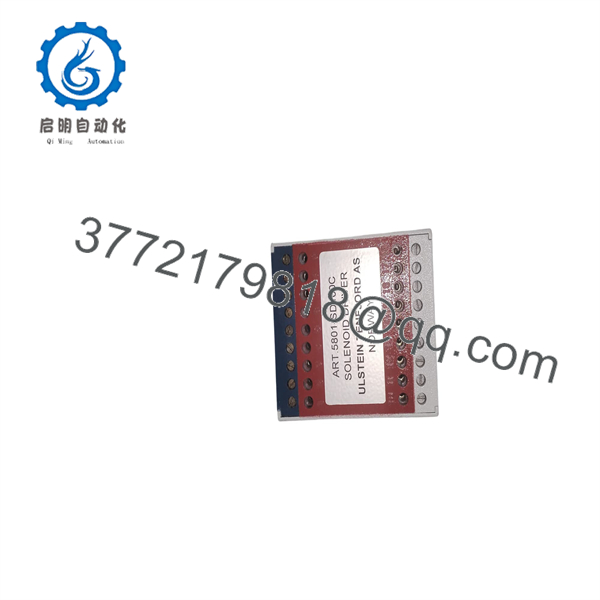
5801-SD100C
iant — distinct from other driver types in the same product family. Confirm it matches exactly what’s stamped on the unit you’re replacing.
Is this a guaranteed drop-in replacement for the unit on my vessel?
Confirm the exact article number and revision (Rev A vs Rev B, as seen on some listings) matches your existing unit before ordering. A revision mismatch on marine control hardware isn’t something you want to discover after installation.
What condition should I expect — new or used?
Most listings for this part show used or surplus marine spares rather than new stock. Ask the seller directly what testing, if any, was performed, and whether documentation or a test report is available — that matters more than the price on a part like this.
What warranty applies to a used marine spare like this?
Terms vary significantly by seller for this category, and many marine spares dealers sell used equipment with limited or no warranty. Get the specific terms in writing before you commit, especially given how specialized sourcing a second replacement could be.