WhatsApp: +86 16626708626
 Email:
  Phone: +86 16626708626
Description
3. Key Technical Specifications
| Parameter | Value |
|---|---|
| Part Number | RRAIO16 |
| Manufacturer | Rolls-Royce (Weidmuller collaboration noted) |
| Product Type | I/O Alarm Module |
| Primary Function | Analog signal input/output and alarm handling |
| Signal Types | Analog inputs (e.g., 20 mA / 0-30 V range references) |
| Outputs | Analog outputs (e.g., ±20 mA / 0-30 V range references) |
| Application | Marine propulsion, monitoring, and control systems |
| Form Factor | Module / board |
| Environment | Marine / industrial |
| Serviceability | Commonly repaired or refurbished |
4. Product Introduction
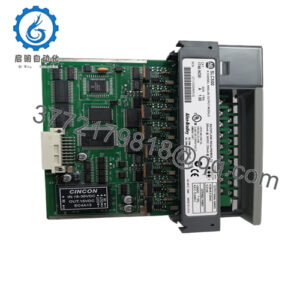
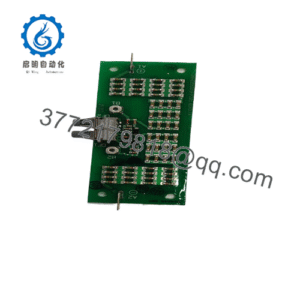
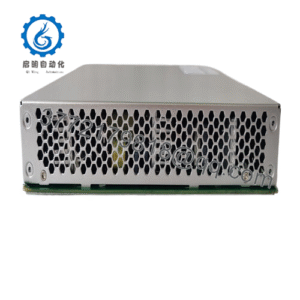
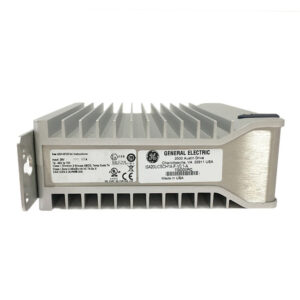
The Rolls-Royce RRAIO16 is an I/O alarm module used in marine automation systems. It handles analog input and output signals (such as temperature, pressure, level, and other process variables) and supports alarm functions for shipboard monitoring and control.
Designed for the demanding marine environment, the module integrates with Rolls-Royce control systems to provide reliable signal conditioning and alarm processing. Because these modules are specialized and often long-lifecycle items, units are frequently repaired, refurbished, or sourced as surplus.
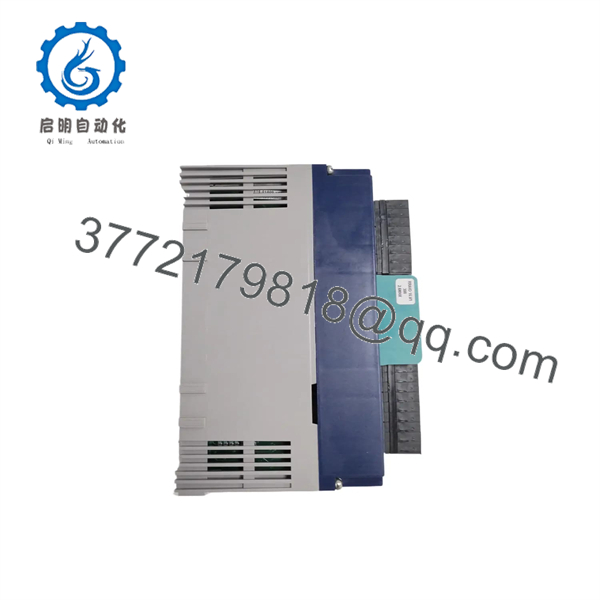
RRAIO16
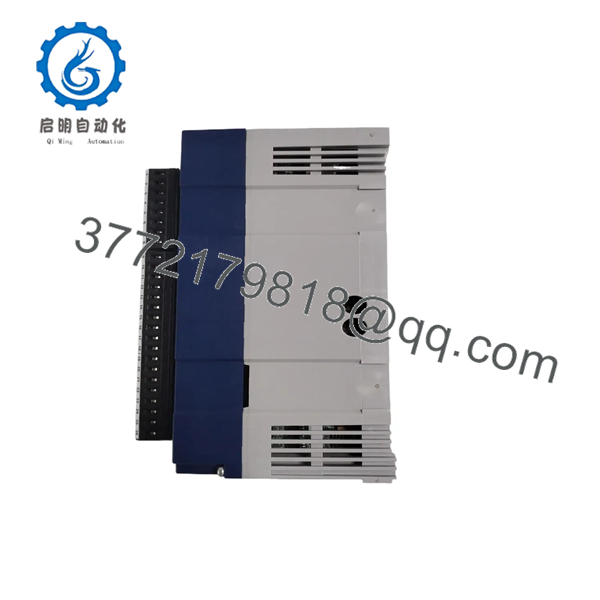
RRAIO16
5. Troubleshooting Quick Reference
| Symptom | Possible Cause | Relevance to this Part | Quick Check Method | Recommendation |
|---|---|---|---|---|
| No analog input readings | Failed input channel or wiring | ✅ High | Measure input signals at module terminals | Verify sensors and wiring; test/replace module |
| Incorrect or drifting outputs | Output circuit fault or calibration issue | ✅ High | Compare commanded vs. measured output | Check configuration; repair or replace module |
| Persistent false alarms | Internal fault or noisy signals | ✅ High | Monitor input stability and alarm logic | Isolate signals; test module diagnostics |
| Module not communicating | Power or bus interface failure | ✅ Medium | Check supply voltage and communication status | Confirm power and network; replace if unresponsive |
| Intermittent channel failures | Poor connections or aging components | ✅ Medium | Reseat connectors; inspect for corrosion | Clean contacts; test under load |
| Overheating or shutdown | Environmental or internal failure | ✅ Medium | Check ambient temperature and ventilation | Improve cooling; inspect for component damage |
If the module fails basic input/output or alarm tests under known-good signal conditions, photograph the labels, connectors, and any visible damage, then contact support with the system details and symptoms.
6. Frequently Asked Questions (FAQ)
Q: What does the RRAIO16 do?
A: It is an I/O alarm module that processes analog input and output signals and handles related alarm functions in Rolls-Royce marine automation systems.
Q: Is the RRAIO16 still in production?
A: New OEM availability is limited. Most units on the secondary market are used, refurbished, or new surplus. Professional repair is a common option.
Q: What signal types does it support?
A: References indicate support for analog signals in ranges such as 20 mA / 0-30 V inputs and ±20 mA / 0-30 V outputs. Confirm exact ranges for your application.
Q: Can a repaired unit be used in marine applications?
A: Yes, when repaired by specialists experienced with Rolls-Royce marine electronics. Proper testing and documentation are essential for critical systems.
Q: What should I check before replacing the module?
A: Verify power supply, inspect connectors for corrosion (common in marine environments), confirm input signals from field devices, and determine whether the fault follows the module.
Q: Why are these modules often repaired instead of replaced?
A: They are specialized, relatively low-volume marine components. Component-level or board-level repair is typically more cost-effective and faster than sourcing a new OEM unit.
Q: What information should I provide when ordering or sending for repair?
A: System or vessel type, photos of the existing module labels, description of symptoms (input/output failures, false alarms, etc.), and any related error codes or logs.