WhatsApp: +86 16626708626
 Email:
  Phone: +86 16626708626
Description
- Key Technical Specifications
| Parameter | Specification |
| Part Numbers | S30810-Q2226-X200, S30810-Q2226-X100, S30810-Q2226-X200-7 |
| Module Code | DIUT2 (Digital Interface Unit ISDN S2M) |
| System Compatibility | Siemens HiPath 4000, HiPath AP3700, OpenScape 4000 |
| Interfaces | 2 x S2M Primary Rate Interfaces (E1 Trunk lines) |
| Channel Capacity | Up to 60 voice/data channels (30 channels per port @ 64 kbps) |
| Transmission Rate | 2.048 Mbps per port (E1 standard PCM30) |
| Protocols Supported | Euro-ISDN (DSS1), QSIG, CorNet-N, CorNet-NQ |
| Line Code & Framing | HDB3 coding; CRC-4 framing support |
| Backplane Connection | HiPath / OpenScape 4000 peripheral shelf backplane slot |
| Hot Swappable | Yes (supported within HiPath 4000 architecture) |
| Status Indicators | Front panel status LEDs (run/fault, individual trunk sync) |
| Operating Temperature | 0 to +40°C (+32 to +104°F) |
- Product Introduction
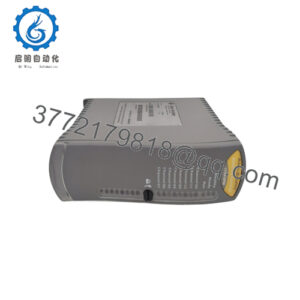
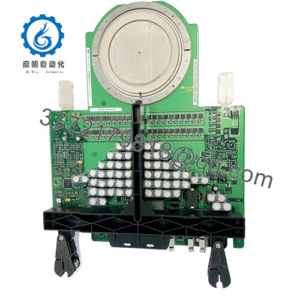
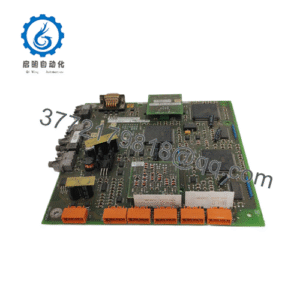
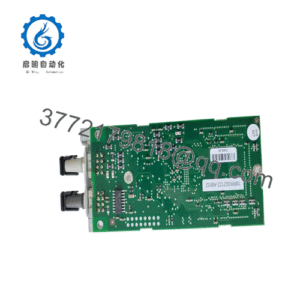
The Siemens / Unify DIUT2 S30810-Q2226 is a dual-port S2M primary rate ISDN digital trunk interface module engineered specifically for HiPath 4000 and OpenScape 4000 enterprise communications platforms. Equipped with two independent E1 interfaces, it delivers high-density PSTN connectivity and digital tie-line interconnections supporting up to 60 simultaneous 64 kbps voice and data channels across private or public telecommunication networks.
Operating directly within the PBX peripheral expansion shelf, the DIUT2 board handles QSIG networking, Euro-ISDN signaling, and proprietary CorNet-N protocols for inter-PBX trunking. System integrators and telecom maintenance teams specify the S30810-Q2226 module when extending ISDN trunking capacity or replacing failing primary rate cards in mission-critical corporate voice infrastructure.
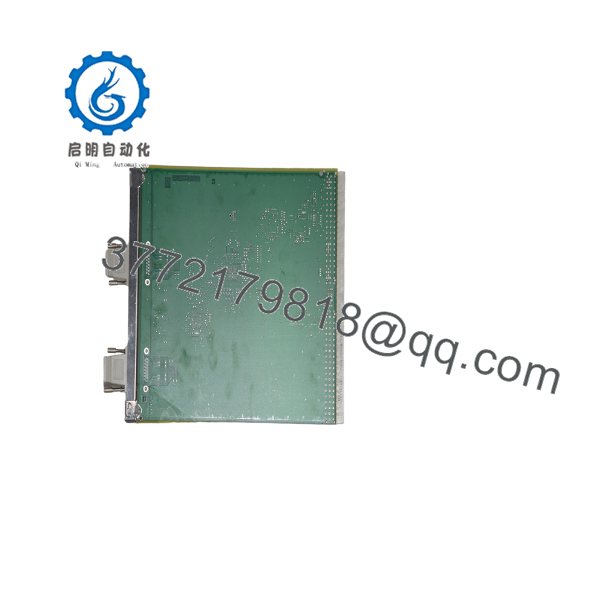
S30810-Q2226-X200
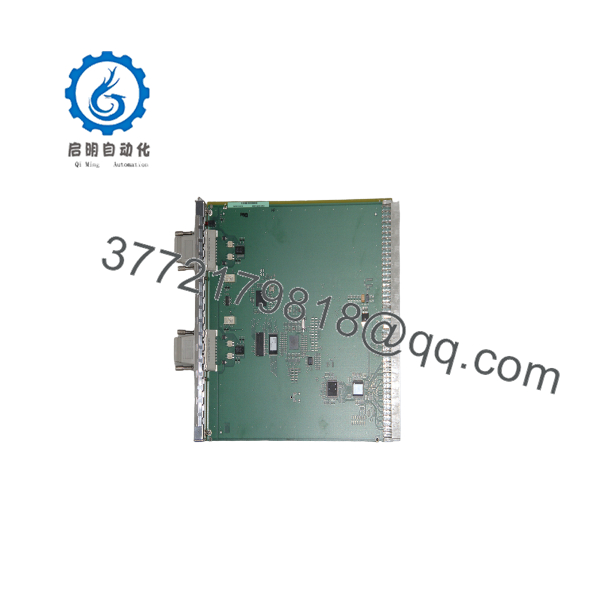
S30810-Q2226-X200
- Troubleshooting Quick Reference
| Symptom | Possible Cause | Relevance to this Part | Quick Check Method | Recommendation |
| Board Fault LED Solid Amber / Red | Backplane power initialization failure or onboard firmware boot error | ✅ High | Re-seat module in shelf slot; check system diagnostic log via HiPath Expert Access / ComWin | Verify peripheral shelf power supplies. If backplane voltages are normal and re-seating fails to clear the fault LED, the internal logic/FPGA stage has failed. Replace module. |
| Trunk Sync Loss / Red Alarm on Port | E1 line framing mismatch, improper clock master/slave setting, or cable fault | ✅ High | Measure E1 RX/TX line impedance; inspect RJ45/coaxial patch cable pinouts | Check line code (HDB3) and framing (CRC4) parameters in AMO TDCSU configuration. Swap external E1 line cables to isolate telco provider issues. |
| Layer 2 D-Channel Down (No Calls) | Protocol mismatch (e.g., Euro-ISDN vs QSIG) or telco D-channel state down | ❌ Low | Run D-channel trace via ComWin software diagnostic commands | Confirm trunk protocol assignment matches central office (CO) provisioned service. Issue DIS-TDCSU command to verify layer 1/2 state. |
| Intermittent Static / Frame Slip | Clock synchronization conflict between PBX master oscillator and E1 trunk | ❌ Low | Query system clock reference status (DIS-REFCLOCK) in administration terminal |
Reassign the primary clock reference source to a stable external E1 trunk provided by the DIUT2 board to eliminate frame slipping. |
- Frequently Asked Questions (FAQ)
Q: What is the main difference between the X100 and X200 revision codes (e.g., S30810-Q2226-X100 vs -X200)?
A: The X100 and X200 designations represent hardware revision levels and connector layout variations (such as 120-ohm balanced RJ45 vs 75-ohm unbalanced BNC/coaxial jumper options). Both variants fulfill the core DIUT2 S2M E1 trunk functionality, but you must match your shelf cable harness type (RJ45 patch panel vs distribution frame connector) when ordering.
Q: Can I hot-swap the card while the HiPath 4000 shelf is powered?
A: Yes, HiPath 4000 and OpenScape 4000 peripheral shelves support hot swapping. However, you should software-deactivate the trunk group via administration commands (DEA-TDCSU) before physically pulling the card to prevent active call drops and alarm flooding in the system logs.
Q: Does this module support T1 signaling (1.544 Mbps) for North American T1 trunks?
A: No. The DIUT2 is specifically an E1 / S2M module designed for 2.048 Mbps ISDN interfaces (30B+D / 30 channels per port). For North American T1 / primary rate interfaces (24 channels), you require the DIUT1 / DIU-T1 variant.
Q: Do I need to program DIP switches on the card before installation?
A: No physical DIP switches are required for standard configuration. Trunk parameters, port impedance, clocking prioritization, and protocol selection are managed entirely via software configuration (AMO commands in ComWin or OpenScape Assistant).
Q: How are your refurbished Siemens / Unify PBX cards tested prior to shipment?
A: Every module undergoes a strict 5-step SOP quality inspection. We inspect edge connectors for physical wear, install the board into a live HiPath 4000 test shelf, perform E1 loopback signal tests across both S2M ports, complete a continuous 24-hour traffic simulation test, and conduct a 500 V Megger insulation safety check prior to ESD bagging.