WhatsApp: +86 16626708626
 Email:
  Phone: +86 16626708626
Description
Key Technical Specifications
- Manufacturer: TDK-Lambda
- Series: JWS
- Output Voltage: 24 Vdc nominal
- Output Current: 14 A max (300 W rated)
- Input Voltage Range: 85–265 Vac universal input, 50/60 Hz
- Power Factor Correction: Yes (active PFC)
- Isolation Voltage: 3 kV (input-to-output)
- Efficiency: 80% typical
- Operating Temperature: –10°C to +60°C
- Mounting: Open frame / panel mount, chassis mount
- EMI Compliance: Level B EMI
- Agency Approvals: UL, CSA, VDE, CE (VDE 0160 Machinery Directive)
- Country of Origin: Malaysia (per current distributor records)
- Typical Applications: Factory automation, process control, NC machining, packaging equipment, materials handling, test & measurement, automated test/instrumentation
Confirm the exact revision suffix and connector/terminal configuration against the physical nameplate — TDK-Lambda has produced multiple mechanical variants of the JWS300 series over its production run, and pinout/mounting hole spacing can differ slightly between older and later builds.
Product Introduction
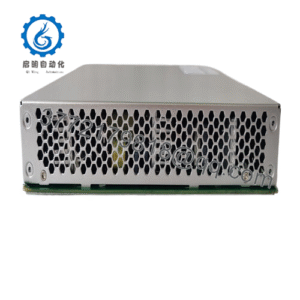
The TDK-Lambda JWS300-24 is a 300 W, single-output industrial power supply that converts universal 85–265 Vac mains input into a regulated 24 Vdc, 14 A output. It’s built with active power factor correction, 3 kV input-output isolation, and Level B EMI compliance, and carries UL, CSA, VDE, and CE approval for use in factory automation, process control, NC machining, robotics, and automated test equipment.
Engineers reach for this specific model when replacing a failed JWS300-24 in an existing panel — TDK-Lambda has discontinued it from current production, so sourcing a genuine unit keeps the panel’s existing mounting footprint, terminal layout, and agency certifications intact without redesigning around a different power supply family. At 80% efficiency and open-frame construction, it was a common choice over linear supplies of the same era for panels where enclosure heat load mattered.
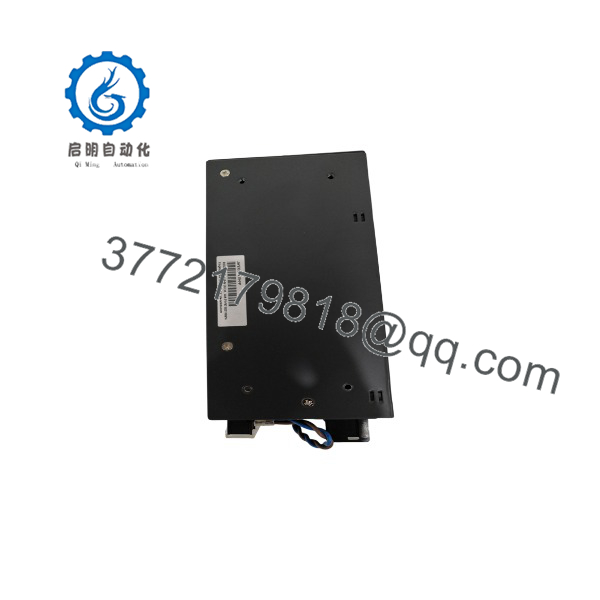
JWS300-24
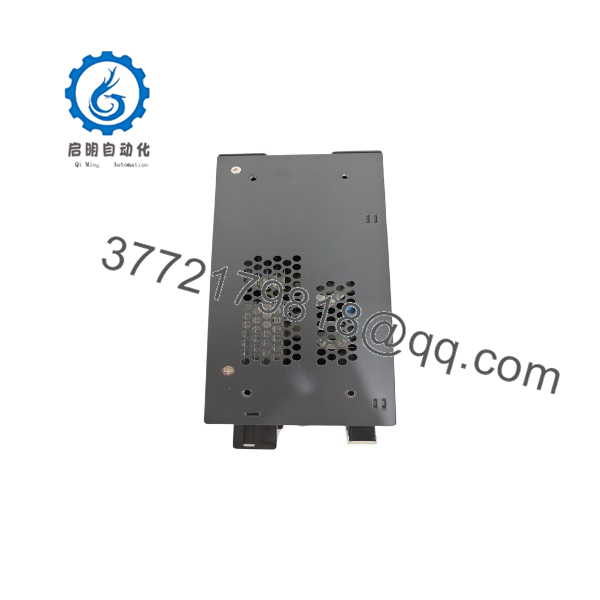
JWS300-24
Troubleshooting Quick Reference
| Symptom | Possible Cause | Relevance to this Part | Quick Check Method | Recommendation |
|---|---|---|---|---|
| No output, no indicator activity | No AC input present, or input fuse open | ❌ Low | Measure AC input terminals with a multimeter | Check upstream breaker/fuse before replacing |
| Output present but low or unstable | Overloaded output (exceeding 14 A / 300 W) | ❌ Low | Measure actual load current at the output terminals | Reduce load or check downstream short before condemning supply |
| Supply shuts down under load, won’t restart | Overvoltage or overcurrent protection latched | ✅ High | Disconnect load, cycle input power, check if output resumes unloaded | If it stays latched with no load, unit likely needs replacement |
| Excess ripple/noise on 24V rail | Aging output capacitors (common failure mode on older units) | ✅ High | Scope the output rail under load | Aging electrolytics are a leading cause of failure on this age of supply |
| Intermittent output dropout | Loose AC input or output terminal connection | ❌ Low | Retorque terminal screws, inspect for corrosion | Reseat wiring before condemning the supply |
Per the failure patterns TDK-Lambda documents for this series, the most common real-world failures are aging output capacitors, thermal stress from sustained overload, and input surge damage — not a spontaneous internal fault. Rule those out first. If you’re still stuck, contact technical support with measured input/output voltages, ambient temperature, and actual load current.
Frequently Asked Questions (FAQ)
Is the JWS300-24 still in current production?
No — it’s listed as discontinued by TDK-Lambda. If you’re buying one, you’re sourcing a maintenance replacement for an existing panel, not specifying it into a new design. TDK-Lambda’s current catalog has newer series (like the CUS or GUS families) as the modern equivalents, but they’re not always a drop-in mechanical match.
Can I run this in parallel with another unit for more current?
No. TDK-Lambda’s own documentation states the JWS300-24 isn’t designed for parallel operation — connecting units in parallel without proper load-sharing circuitry risks unequal load sharing and voltage imbalance that can damage the supplies. If you need more current, step up to a higher-rated single unit.
Why is this cheaper than sourcing new from TDK-Lambda?
Because TDK-Lambda isn’t selling it new anymore — what you’re buying is surplus or refurbished stock. Ask your supplier what “tested” or “refurbished” means for this specific unit: verified output voltage and current under load is a meaningfully stronger claim than a visual inspection alone.
Does it retain any settings when swapped into my panel?
There’s nothing to program — output voltage is fixed by design, not field-adjustable beyond a small trim range if your particular build includes one. The only thing to verify is your wiring matches this unit’s terminal layout exactly.
Is it hot-swappable?
No — de-energize the AC input before removing or installing this supply. It’s not designed for live insertion or removal.
What warranty applies to a surplus or refurbished unit?
TDK-Lambda’s original factory warranty typically doesn’t transfer to a resold surplus unit purchased years after original shipment. Some resellers (like Radwell) offer their own 2-year warranty in place of the factory term — confirm exactly what applies to your specific purchase in writing before you buy.
What’s the most common install mistake with this supply?
Undersizing the load margin. This is rated 300 W continuous — running it consistently near the 14 A ceiling in a hot enclosure with poor airflow is the fastest way to degrade the output capacitors early and end up with a “failed” supply that was really just run too hard, too hot, for too long.