WhatsApp: +86 16626708626
 Email:
  Phone: +86 16626708626
Description
Key Technical Specifications
| Parameter | Value |
|---|---|
| Model | 5437-672 |
| Brand | Woodward |
| Product Type | Field Terminal Module (FTM) |
| Application | Actuator Controller Field Termination |
| System Family | NetCon / MicroNet turbine control hardware |
| Associated Controller | 5501-432, two-channel actuator controller |
| Associated Cable | 5417-041 |
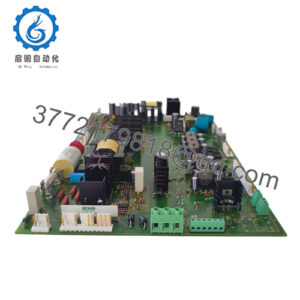
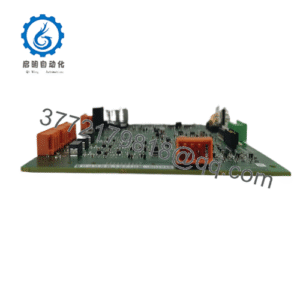
| Terminal Interface | Screw-clamp terminals |
| Field Connector | 37-pin |
| Primary Function | Field-side actuator wiring termination |
| System Architecture | Woodward turbine control |
| Replacement Status | Legacy / discontinued |
| Weight | Approximately 0.71 lb / 0.32 kg |
| Installation | Cabinet / control-system field termination assembly |
Woodward’s own 5009FT documentation lists 5437-672 as the FTM associated with the 5501-432 Actuator Controller Module and 5417-041 cable. The 37-pin screw-clamp configuration is documented by secondary equipment records.
Product Introduction
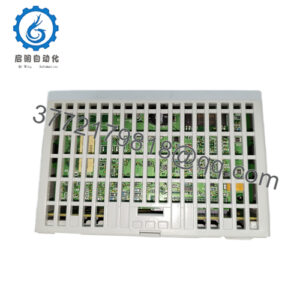
The Woodward 5437-672 is a NetCon Field Terminal Module used as the field-side termination interface for Woodward actuator-controller hardware. In the 5009FT MicroNet+ TMR configuration, Woodward pairs this FTM with the 5501-432 two-channel actuator controller through the 5417-041 interconnection cable.
This is not a standalone CPU, governor, or actuator driver. It is an interface/termination component within the turbine control architecture. Replacement should therefore be based on the complete installed-system configuration, connector arrangement, associated controller, and hardware revision rather than the part number alone.
Installation & Configuration Guide
Stage 1: Pre-Installation Preparation — 5–10 Minutes
⚠️ Safety First: The 5437-672 is used in turbine control equipment. Place the turbine and associated actuator system in the site’s approved safe state before disconnecting control wiring. Follow the plant’s lockout/tagout and turbine-control maintenance procedures.
Tools Required:
- ESD wrist strap
- Appropriate screwdriver
- Digital multimeter
- Wire labels
- Smartphone or camera
- Current Woodward system drawings
Data Backup:
- Record the complete 5437-672 nameplate information.
- Photograph the terminal wiring before disconnecting anything.
- Record the associated actuator-controller module number.
- Verify whether the installed controller is 5501-432.
- Record the interconnection cable identification.
- Photograph terminal positions, wire numbers, jumpers, and shield connections.
⚠️ Do not rely on wire color or memory. Actuator-control wiring should be copied from the existing installation drawings and terminal photographs.
Stage 2: Removing the Old Module — 5 Minutes
- Confirm the turbine control system is in the approved maintenance state.
- Isolate power according to the Woodward system maintenance procedure.
- Label each field wire before removing it.
- Photograph both sides of the terminal wiring.
- Disconnect the field wiring without pulling on individual conductors.
- Disconnect the associated interconnection cable.
- Release the module from its mounting arrangement.
- Inspect terminals, connectors, cable ends, and cabinet wiring for corrosion or mechanical damage.
⚠️ Keep the removed 5437-672 available until commissioning is complete. It provides a direct physical reference if a terminal position or wiring detail is questioned.
Stage 3: Installing the New Module — 5–10 Minutes
- Verify the complete part number: 5437-672.
- Compare the replacement module’s connector and terminal arrangement with the removed unit.
- Inspect terminals for bent contacts, damaged screw clamps, or contamination.
- Install the FTM in its original mounting position.
- Reconnect the associated interconnection cable.
- Reconnect field wiring according to the original drawings and photographs.
- Verify every conductor against the terminal schedule.
- Check shield and grounding connections carefully.
Woodward’s documentation identifies the 5437-672 as the FTM associated with the 5501-432 two-channel actuator controller, so the controller/cable combination should be verified before commissioning.
Self-Checklist:
- 5437-672 part number verified
- Hardware/revision markings recorded
- 37-pin interface inspected
- Terminal wiring matches drawings
- 5501-432 compatibility verified where applicable
- 5417-041 cable verified where applicable
- Shield/ground connections checked
- All terminals mechanically secure
Stage 4: Power-On & Testing — 10–20 Minutes
- Perform a final wiring inspection before energizing the control system.
- Check for unintended shorts between relevant control and field circuits.
- Restore power according to the approved Woodward commissioning procedure.
- Check the associated actuator-controller status.
- Verify that the controller recognizes its connected field interface.
- Check actuator feedback and command signals using the approved commissioning procedure.
- Perform controlled actuator testing where permitted.
- Confirm normal turbine-control diagnostics.
- Compare actual signal behavior against the expected engineering values.
- Record the replacement and test results in the maintenance record.
⚠️ Do not use the FTM as evidence that the complete actuator loop is healthy. A successful physical replacement does not prove that the actuator, controller, cable, field wiring, feedback device, and control logic are all operating correctly.
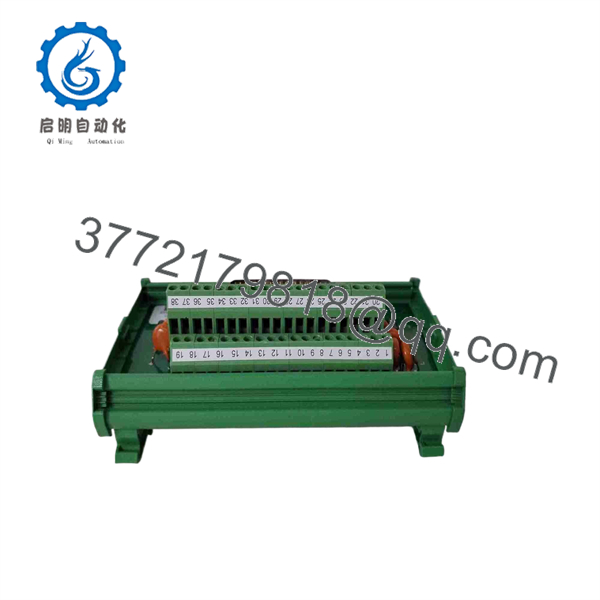
5437-672
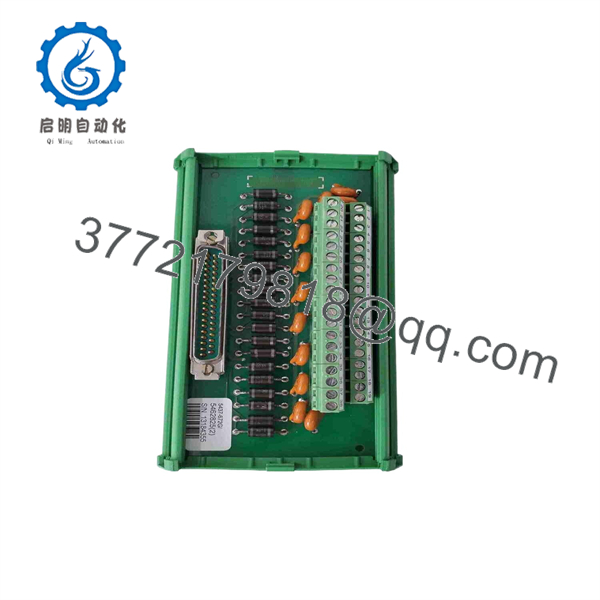
5437-672
Frequently Asked Questions (FAQ)
What is the Woodward 5437-672?
The 5437-672 is a Woodward NetCon Field Terminal Module (FTM) used for actuator-controller field termination. It is associated with Woodward turbine-control hardware rather than functioning as an independent CPU or governor.
Which controller is associated with the 5437-672?
Woodward’s 5009FT MicroNet+ TMR documentation pairs the 5437-672 FTM with the 5501-432 two-channel Actuator Controller Module and 5417-041 cable.
Is the 5437-672 the actuator driver itself?
No. The distinction matters during replacement. Woodward identifies the 5501-432 as the two-channel actuator controller, while 5437-672 is the associated field termination module.
Is the Woodward 5437-672 obsolete?
Available equipment records identify the 5437-672 as discontinued, so procurement should be handled as a legacy-part requirement. Current Woodward documentation remains the appropriate reference for system compatibility.
Can I substitute another Woodward FTM with a similar appearance?
Do not assume interchangeability. The FTM is part of a defined actuator-control architecture. Verify the exact part number, terminal arrangement, associated actuator controller, cable, and system revision before approving a substitute.
Does replacing the 5437-672 require software configuration?
The 5437-672 itself is a field termination/interface component, not the primary programmable controller. However, replacing it can affect the actuator signal path. The associated controller and turbine-control application should therefore be checked during commissioning.
What should I verify before purchasing a 5437-672?
At minimum, verify:
- Exact part number: 5437-672
- Installed-system family
- Associated actuator controller
- Connector and terminal arrangement
- Hardware/revision markings
- Physical condition
- New Original / New Surplus / Refurbished status
- Test documentation
- Warranty and return terms
For a legacy turbine-control part, matching the complete installed configuration is more important than simply finding a part number that looks similar. Woodward’s published system documentation provides the strongest compatibility reference.