WhatsApp: +86 16626708626
 Email:
  Phone: +86 16626708626
Description
Key Technical Specifications
- Function: 6-channel analog current output for actuators, valves, and analog-driven devices
- Output Type: 4-20 mA
- Output Channels: 6, independent
- Power Consumption: Approx. 6.0 W at 24 VDC
- Isolation: Channel-to-channel and channel-to-ground isolation (per supplier documentation — confirm against the LinkNet hardware manual)
- Platform: Woodward LinkNet distributed I/O node series
- Typical Application: Turbine and engine control, driving actuators and control valves
- ⚠️ Exact Isolation Voltage Rating, Physical Dimensions, Mounting Style: Not independently confirmed from an OEM datasheet — verify against the LinkNet hardware manual before specifying in a control loop.
Product Introduction
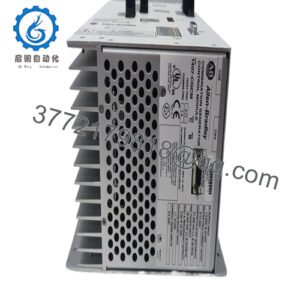
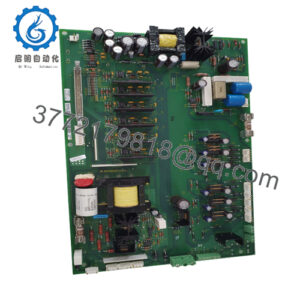
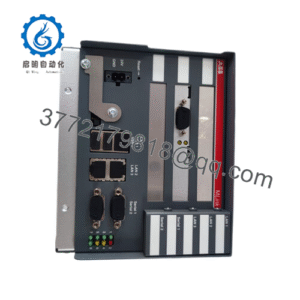
The Woodward 9905-972 is a 6-channel analog output module in the LinkNet distributed I/O series, delivering six independent 4-20 mA current outputs to drive actuators, control valves, and other analog-controlled devices. It’s built for turbine and engine control applications where distributed I/O sits closer to the equipment than the main controller.
At roughly 6 W power draw on 24 VDC, it fits into the same LinkNet architecture as the companion input modules in this series. Since Woodward has discontinued the part, most stock circulating now comes from surplus or rebuilt inventory rather than new manufacture.
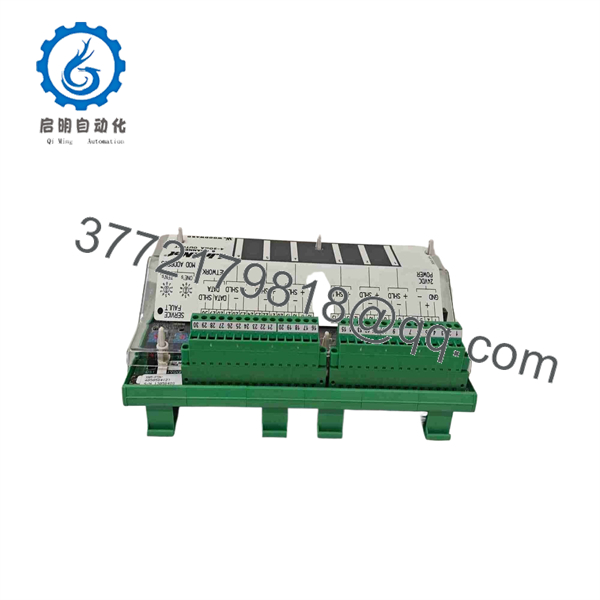
9905-972
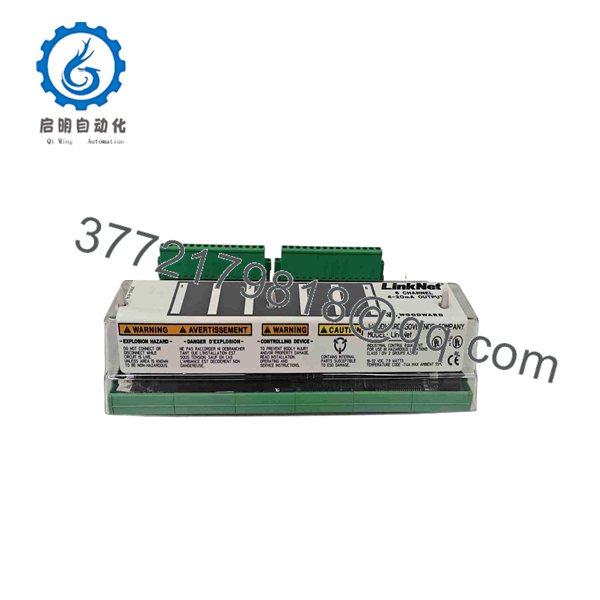
9905-972
Troubleshooting Quick Reference
| Symptom | Possible Cause | Relevance to this Part | Quick Check Method | Recommendation |
|---|---|---|---|---|
| One channel not driving its actuator | Field wiring or actuator fault | ❌ Low | Check actuator and wiring for that specific channel first | Isolate the field device before replacing the module |
| All six channels dead | Module power fault or LinkNet bus failure | ✅ High | Measure 24 VDC at the module’s power input terminals | Confirm power supply before condemning the module |
| Output reading correct at module but actuator not responding | Actuator fault, not the output module | ❌ Low | Measure current directly at the actuator terminals | Confirm the field device before assuming module failure |
| Output signal unstable or drifting | Isolation fault or internal component degradation | ⚠️ Medium | Compare output reading against commanded setpoint over time | May indicate module-level fault if drift is consistent |
| Module not responding to LinkNet commands | Network communication fault or address conflict | ⚠️ Medium | Verify module addressing and LinkNet bus wiring | Check network health before replacing the module |
If the fault doesn’t clear after basic field-device checks, send your loop wiring and the specific channel’s commanded vs. actual output readings to technical support before replacing the module outright.
Frequently Asked Questions (FAQ)
Is this an input or output module — I’ve seen both terms used for LinkNet parts?
This specific part, the 9905-972, is the output module — it drives six 4-20 mA current outputs. Its counterpart, the 9905-969, is the input module. Don’t mix these up when ordering; the part numbers are close and easy to confuse.
Can I use this to drive any 4-20 mA actuator, or does it need to match a specific type?
Confirm your actuator’s input impedance and voltage compliance range against the module’s output driving capability before wiring it in. Not every 4-20 mA device behaves identically under load.
Is this part still made by Woodward?
No, it’s discontinued. Current availability runs on surplus, unused, or rebuilt stock. Ask your supplier specifically which condition you’re getting and what testing was done.
Will a rebuilt unit perform the same as an unused one?
A properly rebuilt unit should meet original output spec, but “rebuilt” quality varies by shop. Ask what was tested and what components were replaced rather than accepting a blanket “fully functional” claim.
Do I need to recalibrate the outputs after swapping this module?
Yes, treat it as a commissioning step. Verify each channel’s output against its commanded setpoint after installation rather than assuming the replacement performs identically to the unit it replaced out of the box.
How do I know if a bad reading is the module or the actuator downstream?
Measure current directly at the actuator terminals versus at the module’s output terminals. If they match but the actuator isn’t responding correctly, the fault is downstream — not this module.