WhatsApp: +86 16626708626
 Email:
  Phone: +86 16626708626
Description
Key Technical Specifications
- Function: 2003 CAN bus controller
- Supply Voltage: 24 VDC
- Power Consumption: 14.5 W
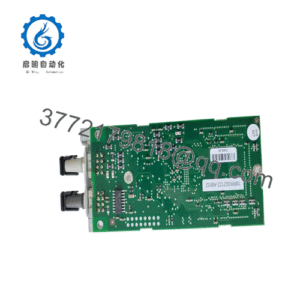
- Bus Interfaces: 2x CAN, electrically isolated, network-capable
- Weight: 0.35 kg (net)
- Dimensions (L x W x H): 7.50 x 5.50 x 11.50 cm
- Country of Origin: Austria
- Certifications: CE, UKCA, UL/cULus (E115267)
- End of Production: 2019-06-30
Product Introduction
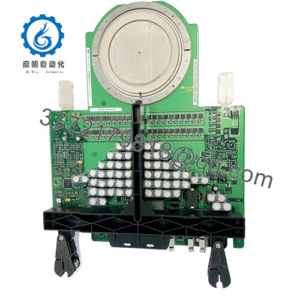
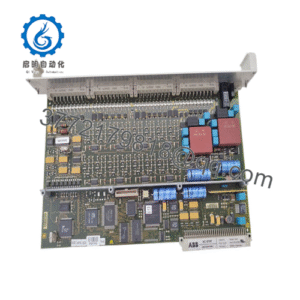
The B&R 7EX470.50-1 is a CAN bus controller module for the 2003 series automation platform, providing two electrically isolated, network-capable CAN interfaces on a single rack-mounted module. It runs on 24 VDC at 14.5 W and slots directly into existing 2003-series racks alongside CPU and I/O modules.
Plants keep buying this specific module because the dual-isolated CAN design lets you segregate bus traffic or build in redundancy without touching the rest of the rack’s programming — a straightforward maintenance swap on a platform B&R officially discontinued in mid-2019. If you’re running a legacy 2003 system and a CAN controller fails, this is the direct fix, not a reason to replatform.
Troubleshooting Quick Reference
| Symptom | Possible Cause | Relevance to this Part | Quick Check Method | Recommendation |
|---|---|---|---|---|
| No CAN communication on either channel | Module power fault or backplane connection issue | ✅ High | Verify 24 VDC present at module, reseat in rack | If power is confirmed present and reseating doesn’t help, module is likely at fault |
| One CAN channel down, other working | Bus termination fault or wiring damage on the affected channel | ❌ Low | Check termination resistors and cable continuity on the down channel specifically | Isolate to wiring/termination before condemning the module |
| Intermittent bus errors under vibration | Loose DSUB connector or damaged cable | ❌ Low | Reseat connectors, inspect cable for chafing or corrosion | Usually a connector/cable fix, not a module fault |
| Node address conflicts on the network | Duplicate CAN node ID configured elsewhere on the bus | ❌ Low | Check node addressing across all devices on the segment | Reconfigure addressing — not related to this specific module |
| Rack shows module present but CPU can’t communicate with it | Firmware/hardware revision mismatch, or configuration not matching Automation Studio project | ✅ High | Check Automation Studio hardware configuration against installed module revision | May require the correct HW Upgrade package applied in Automation Studio |
| Module runs hot to the touch | Normal for this platform under continuous load — verify against spec before assuming a fault | ❌ Low | Compare to the 14.5 W rated power dissipation | Elevated but stable temperature within spec is normal; sudden overheating warrants inspection |
If the CAN bus fault doesn’t isolate cleanly with these checks, send us your Automation Studio hardware configuration screenshot along with the bus diagnostic log — that combination usually narrows it down fast.
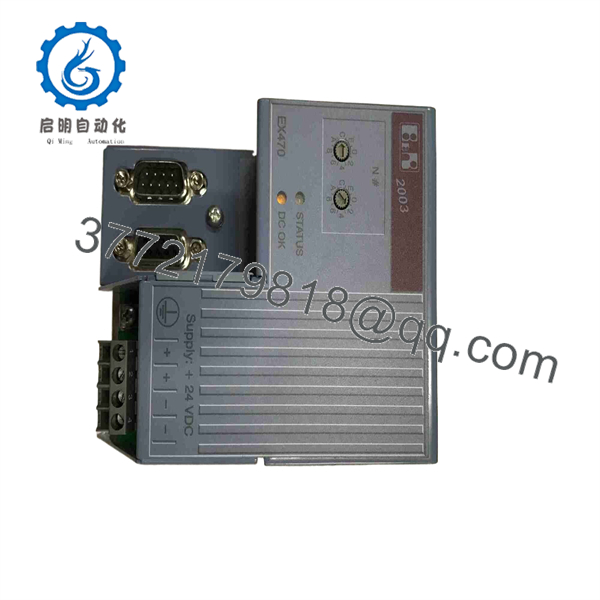
7EX470.50-1
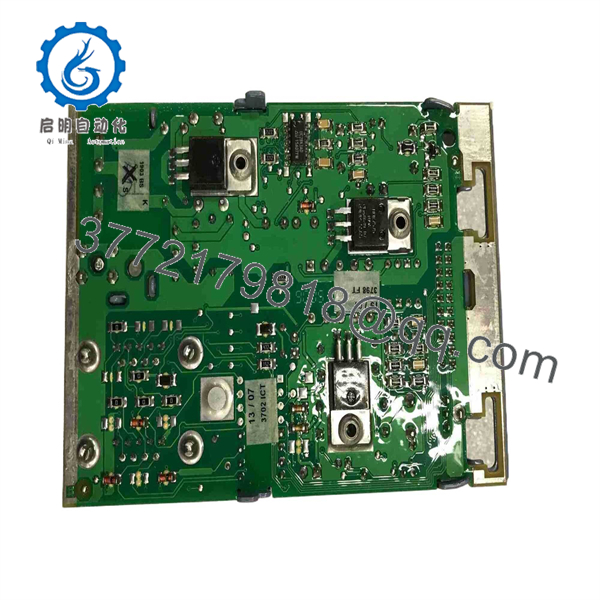
7EX470.50-1
Frequently Asked Questions (FAQ)
Is this still manufactured by B&R?
No. B&R officially ended production of the 7EX470.50-1 on June 30, 2019, as part of winding down the broader 2003 platform. What we sell is new-old-stock or tested surplus, and we’ll tell you which one you’re getting.
Will I need to reconfigure Automation Studio after installing a replacement?
Generally no — the module doesn’t hold your CAN network configuration itself, that lives in your Automation Studio project. That said, B&R released hardware upgrade packages for this module over its life, so if you’re installing a unit with a different hardware revision than your original, check whether the corresponding HW Upgrade needs applying in Automation Studio first.
Can I run both CAN channels on the same physical network segment?
The two channels are electrically isolated from each other specifically so you can run them as independent networks — for segregation or redundancy. Running them on the same segment defeats that design intent and isn’t how this module is meant to be used. If your application calls for a single CAN segment, you only need one channel wired.
Why is this obsolete part still worth buying instead of migrating to a current B&R platform?
Because migrating means requalifying your whole control panel, reprogramming, and potentially re-certifying for your process — a different scope of work and cost entirely. If you’re maintaining an existing 2003-series installation, a tested replacement module is the direct fix. If you’re already planning a platform migration, that’s a separate conversation worth having with your integrator before spending on legacy parts.
What’s your testing process for a used CAN controller like this?
Visual inspection for corrosion or connector damage, insulation resistance check, and a functional bus test confirming both CAN channels establish communication cleanly on our in-house 2003 rack. Ask and we’ll send the test report and photos from the specific serial number.
Is the weight/dimension spec relevant to buyers, or just for shipping?
Mostly shipping and panel space planning — at 0.35 kg and roughly 7.5 x 5.5 x 11.5 cm, it’s a compact module that fits standard 2003 rack slots without any special clearance considerations. Worth knowing if you’re planning a panel retrofit around it.